Metabase: a data dashboard to run your business in 2026
Metabase for SMBs: centralize your data, build dashboards and track your KPIs in real time. A comparison with Power BI and Looker, and the tool's limits.
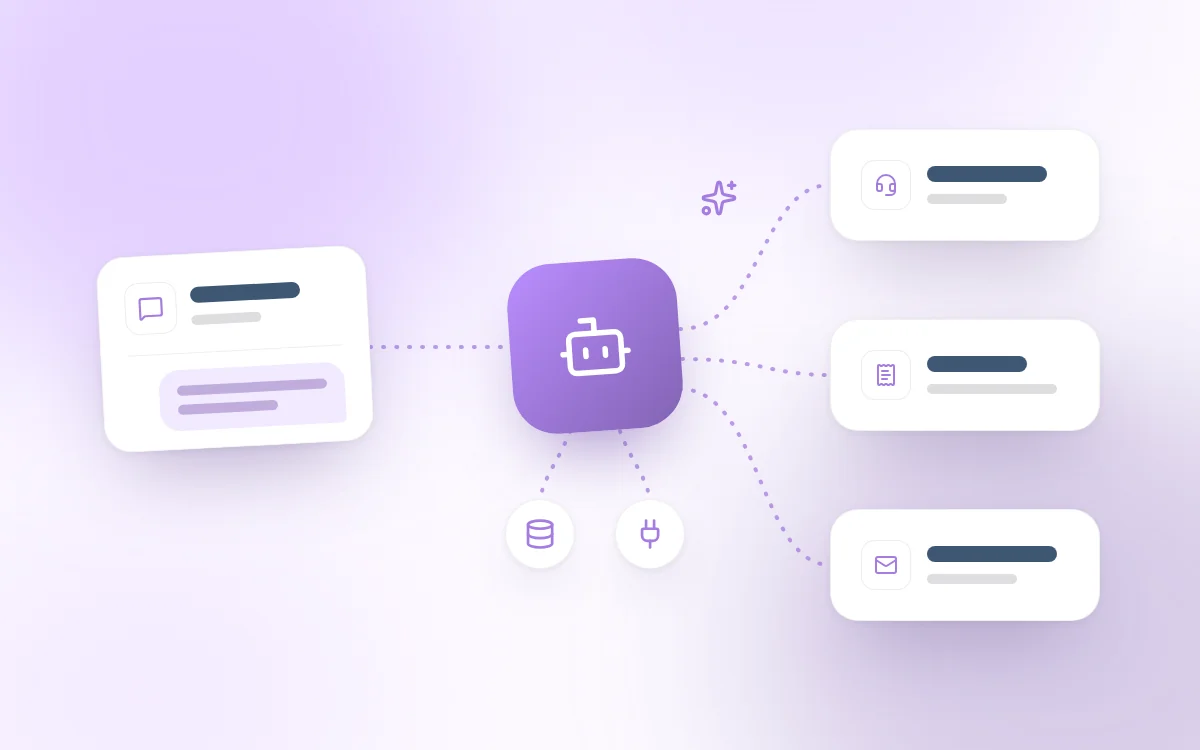 Tech · 7 min
If 2024 was the year of conversing with AI, 2026 is the year of action. Agentic AI no longer just drafts emails: it now runs entire processes autonomously, radically transforming companies' operational structure.
To understand the revolution underway, you need to distinguish between two approaches. A classic chatbot, as we knew it until 2024, is a passive system. It waits for an instruction (the prompt), generates a response based on its statistical knowledge, and stops there. It is the equivalent of a very knowledgeable intern who would do nothing unless you stood behind them telling them what to do every second.
Agentic AI, on the other hand, is proactive. An AI agent is a system capable of reasoning, planning and, above all, using tools to accomplish a complex goal. You no longer ask it to "write a summary"; you ask it to "handle this week's customer support".
At Fragments Studio, we use a simple analogy:
In 2026, this autonomy has become the norm. According to the latest industry analyses, companies that have migrated to agentic workflows see a 40% reduction in processing time on complex administrative tasks. AI is no longer just a chat interface; it is an execution force.
Take the example of a service SMB. Previously, when a customer sent a complaint email, a human had to read it, check the account in the CRM, open a support ticket, and alert a sales rep.
In 2026, a single autonomous agent handles this entire value chain:
This flow requires no human intervention before the final step. The agent did not just "reply to the customer"; it orchestrated a complete business workflow. This ability to "get its hands dirty" is what defines agentic AI.
For an agent to work, a powerful language model is not enough. It relies on a four-pillar architecture that we systematically integrate into our custom AI solutions:
A crucial element that appeared recently is the Model Context Protocol (MCP). This protocol standardizes the way AI agents connect to data sources and third-party tools.
By using an MCP Server, we give your agents secure, structured access to your internal databases or production tools without having to redevelop specific connectors for each new AI model.
If an agent is a virtual employee, a multi-agent system is a complete team. In this setup, several specialized agents collaborate to solve problems that a single agent could not handle without making mistakes.
Imagine a virtual product development team:
Each agent has a strict role and dedicated tools. This specialization drastically reduces AI hallucinations (factual errors). In 2026, managing these "agent swarms" has become a key skill for CTOs and project managers.
At Fragments Studio, we see that multi-agent architecture is the most reliable answer for critical processes where accuracy is non-negotiable.
What is agentic AI? Agentic AI refers to artificial intelligence systems capable of planning and executing tasks autonomously to reach a given goal, using external tools (APIs, software) rather than simply generating text.
What is the difference between an agent and a multi-agent system? An agent is a single entity performing specific tasks. A multi-agent system is an organization in which several agents collaborate, supervise each other and share the work to accomplish a complex project, thereby simulating a human team.
Is it safe to let an agent access my CRM? Yes, provided you use modern security protocols such as MCP (Model Context Protocol) and define granular permissions. The agent only has the rights it needs for its mission, and every action can be audited in security logs.
Why move to agentic AI in 2026? Because the competitive advantage no longer lies in access to information, but in speed of execution. Multi-agent systems let you scale your operations without linearly increasing your payroll on low-value tasks.
Agentic AI marks the end of gimmicky AI. In 2026, it has become the invisible engine of high-performing companies. Moving from conversational AI to an autonomous digital workforce is no longer a technological luxury, but a strategic necessity to maintain your velocity.
Whether through a single support agent or a fleet of coordinated multi-agent systems, the goal remains the same: free up your human talent to focus on creation and strategy, while your agents take care of execution.
Moving to agentic AI requires sharp expertise in software architecture and model orchestration.
Follow Fragments Studio on Google
Add us to your preferred sources and our articles get surfaced first in Top Stories, AI Overviews and AI Mode.
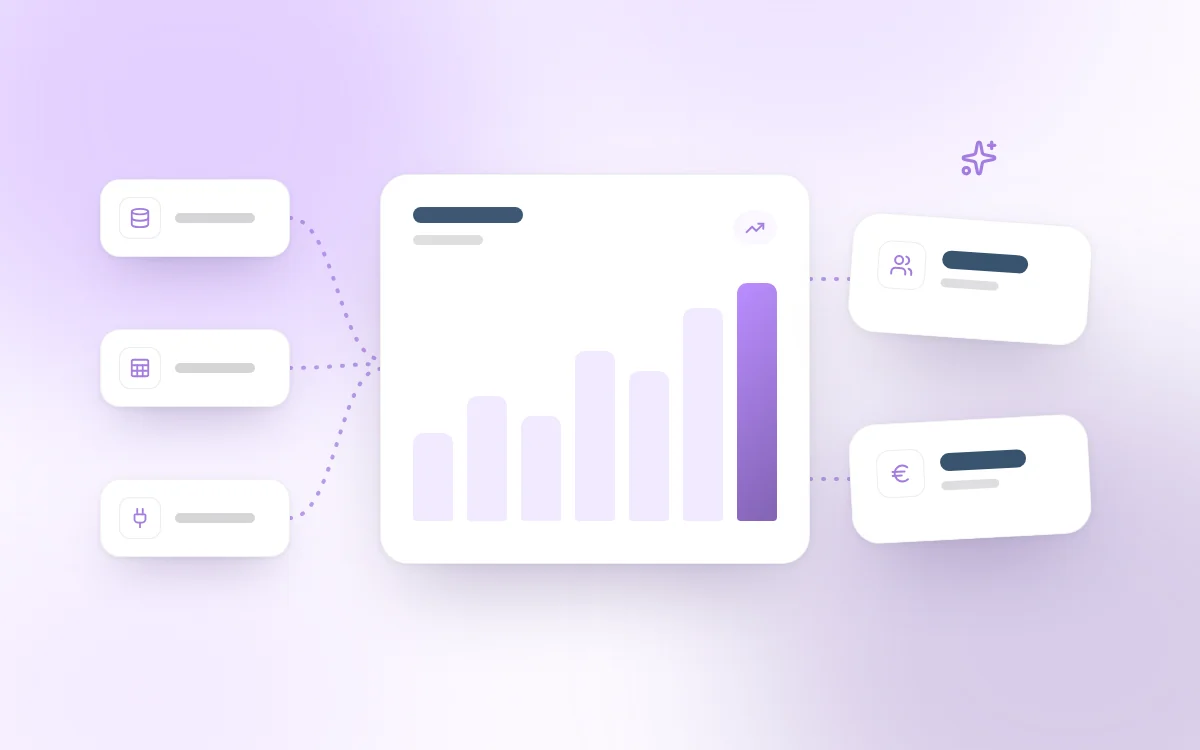 Tech · 6 min
Metabase for SMBs: centralize your data, build dashboards and track your KPIs in real time. A comparison with Power BI and Looker, and the tool's limits.
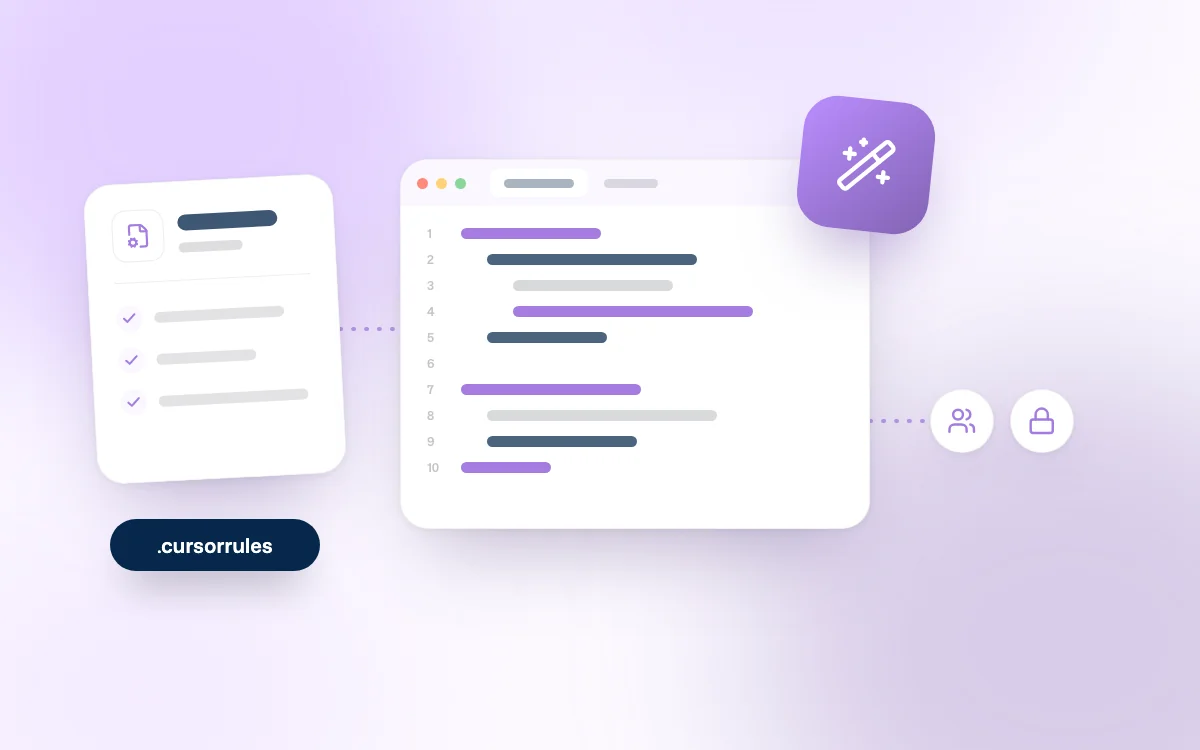 Tech · 6 min
Using Cursor as a team in 2026: how to set up .cursorrules, share context, keep your code secure and compare Cursor with Claude Code and Copilot.
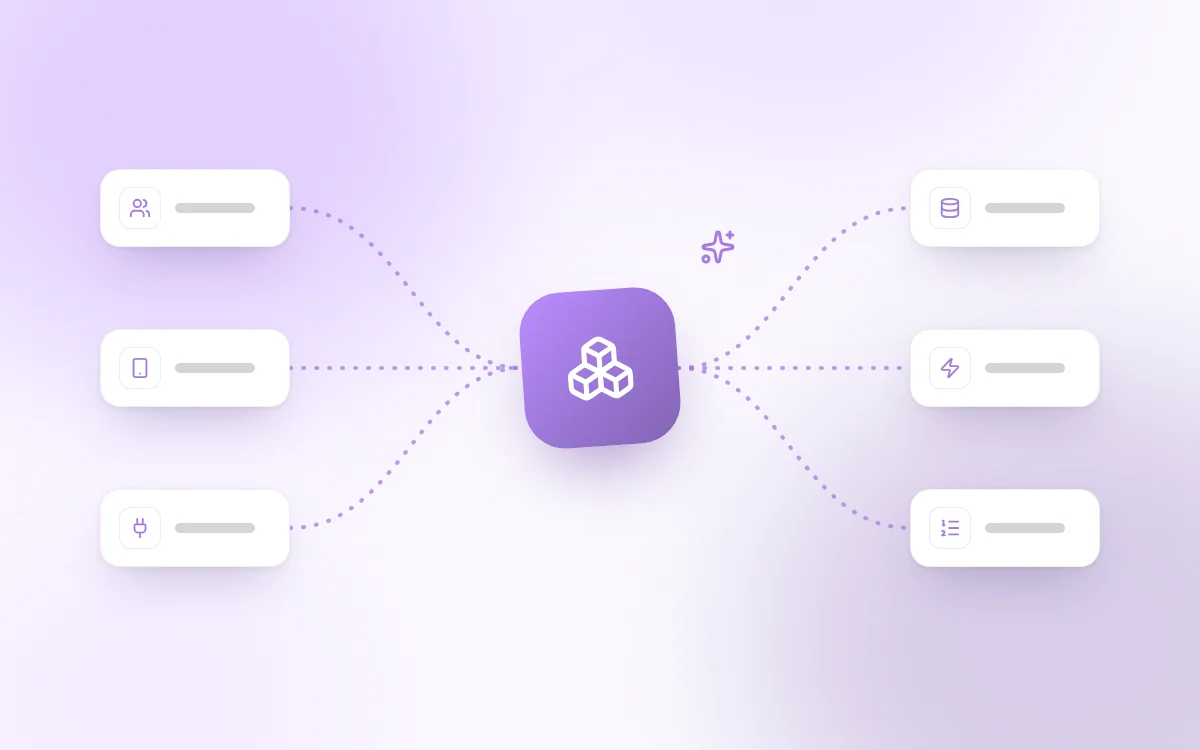 Tech · 7 min
Scalable software architecture for SaaS in 2026: modular monolith or microservices, horizontal scaling, caching, message queues and the mistakes to avoid.
Fragments Studio handles everything: from strategy to production.
Discuss my project