Metabase: a data dashboard to run your business in 2026
Metabase for SMBs: centralize your data, build dashboards and track your KPIs in real time. A comparison with Power BI and Looker, and the tool's limits.
 Tech · 7 min
In 2026, showing up on the first page of Google is no longer enough: you need to be the source cited by Gemini, ChatGPT and Perplexity. This checklist merges the fundamentals of technical SEO with the requirements of GEO (Generative Engine Optimization) to secure your hybrid visibility.
Generative Engine Optimization (GEO) is the set of techniques aimed at optimizing a brand's visibility in search engines powered by generative AI. Unlike traditional SEO, which ranks pages, GEO aims to get your expertise extracted to feed summaries such as Google AI Overviews.
According to research published in the proceedings of the ACM KDD 2024 conference (GEO: Generative Engine Optimization), GEO tactics can increase the visibility of sources in generative engine responses by up to 40%. Google, for its part, confirms that there is no additional technical configuration required to appear in AI Overviews: SEO fundamentals remain the foundation.
At Fragments Studio, we have condensed this strategy into 12 actionable points split across four pillars. For the strategic context, see also our article on GEO and the transformation of SEO in 2026.
Technology remains the bedrock. If a bot (classic or AI) struggles to read your site, it will never recommend you.
Why it matters: In 2026, Core Web Vitals (LCP, INP, CLS) remain Google's benchmark for real-world experience. An interface that lags or jumps during loading degrades quality signals.
To provide a good user experience, aim for an Interaction to Next Paint (INP) below 200 milliseconds. Google Search Central, Core Web Vitals
How to test: Use PageSpeed Insights or the Search Console Core Web Vitals report (CrUX field data). Aim for an INP ≤ 200 ms.
Example: Defer the loading of non-critical scripts (trackers, chat) so that the text content becomes interactive in under one second. Details in our guide Core Web Vitals 2026: VSI and INP.
Why it matters: LLMs and search engines rely on HTML structure to prioritize information. Correct use of <article>, <main> and <section> makes it possible to distinguish the main content from the noise (footer, sidebar).
Prefer a single
<h1>per page and nest headings without skipping levels. MDN, Heading elements h1-h6
How to test: Inspect your code with the W3C validator or visualize the heading hierarchy (H1, H2, H3).
Example: Use a single <h1> per page, followed by <h2> headings that ask real user questions.
Why it matters: To be cited by AI, your content must be fresh and easy to discover. An XML sitemap helps Google find your URLs; the <lastmod> element can serve as a crawl scheduling signal when it is accurate and consistent.
We use
lastmodas a signal for scheduling crawls to URLs that we have previously discovered. Forlastmodto be useful, it must reflect reality: a "last significant modification," not a cosmetic footer change. Google Search Central Blog, Sitemaps and lastmod
How to test: Submit your file through Search Console and check the date it was last read.
Example: Include the <lastmod> tag for each URL as soon as a significant editorial update is published.
Why it matters: llms.txt is the new standard (introduced in late 2024) that acts as a dedicated guide for AI agents, telling them which pages are a priority for training and citation. Google describes it this way in its Lighthouse documentation on agentic browsing:
The
llms.txtfile is an emerging convention used to provide a machine-readable summary of a website's content, specifically designed for LLMs and AI agents. Without this file, agents may spend more time crawling the site to understand its overall structure and main content.
The Lighthouse audit flags a server error if the file is inaccessible; a 404 remains not applicable (optional). For the format (H1, summary blockquote, H2 lists), see the llmstxt.org specification.
How to test: Check that yourdomain.com/llms.txt is accessible as plain text.
llms.txt template:
# LLMs Full Context
# https://www.fragments-studio.com/llms.txt

## Core Principles
- Focus on technical excellence and digital product strategy.
- Prioritize articles with recent statistics (2025-2026).

## Key Resources
- [Development Services](https://www.fragments-studio.com/expertises/agence-application-web-saas)
- [AI Integration Guide](https://www.fragments-studio.com/blog/post/comment-lancer-premier-projet-ia-pme-methode-4-etapes-2026)
To go further, see our llms.txt and robots.txt guide for AI indexing.
Content no longer just needs to be read; it needs to be "extractable."
Why it matters: Question/answer blocks structure information in an extractable way, which is useful for AI Overviews and assistants. FAQPage JSON-LD markup explicitly flags each question/answer pair to the engine.
The
FAQPagetype indicates that the page is an FAQ with answered questions. There must be oneFAQPagedefinition per page, withmainEntitycontaining at least one validQuestion. Google Search Central, FAQ markup
Note: Google removed FAQ rich results from the SERP (2026), but the markup remains useful for generative engines that extract question/answer pairs.
How to test: Test your URL with Google's Rich Results Test tool.
Example: "What is the difference between SEO and GEO?" followed by an answer of 40 words maximum.
Why it matters: AI favors factual, sourced content. Google recommends content that inspires trust, with clear and verifiable sources:
Does the content present information in a way that makes you want to trust it, such as clear sourcing, evidence of the expertise involved, or background about the author? Google Search Central, People-first content
Don't say "many users"; say "68% of users in 2026" with a link to a recognized study (Gartner, INSEE, an industry report, etc.).
How to test: Check that every strong claim comes with a year and a link to a study.
Example: "According to the 2025 Gartner report, 80% of customer interactions take place through an agentic interface."
Why it matters: Give the answer in the very first sentence. The inverted pyramid model puts the most important information first, so the reader (or the AI) can stop after the first paragraph and still get the essentials.
The inverted pyramid presents the most important information first, followed by details in decreasing order of importance. University of Florida, News Writing (WC191)
How to test: Read only the first 150 words of your article. Do you have the answer?
Example: Start with "GEO is an optimization strategy..." rather than with a generic introduction about how the web has evolved.
Why it matters: AI can simulate expertise, but not hands-on experience. Google extended E-A-T into E-E-A-T (Experience, Expertise, Authoritativeness, Trustworthiness): trust is at the center, and first-hand experience counts.
Does content clearly demonstrate first-hand expertise and a depth of knowledge, for example, actual use of a product, a visit to a place, or communicating what a person experienced? Google Search Central Blog, E-E-A-T
How to test: Have you included original screenshots, client anecdotes or internal quantified results?
Example: "At Fragments Studio, we reduced this client's TCO by 15% by migrating to a serverless architecture."
Why it matters: Internal links tell search engines and AI which concepts are related. Google recommends descriptive, concise and relevant anchor text, not empty phrasing such as "click here."
Good anchor text is descriptive, reasonably concise, and relevant to the page that it's on and to the page it links to. Google Search Central, Link best practices
How to test: Your link anchors should contain strategic keywords and describe the destination.
Example: Prefer "Discover our advice on mobile app development" over "For our mobile offering, click here."
Why it matters: An architecture that is too deep makes discovery harder for crawlers. Google has a limited crawl budget: unnecessary or duplicate URLs waste crawling resources. The 3-click rule is not an official Google guideline, but a widely adopted SEO best practice for keeping strategic pages close to the homepage.
Without guidance from you, Google tries to crawl all the URLs it knows about. If many of them are duplicates or irrelevant, this wastes crawl time on your site. Google, Crawl budget management
The 3-click rule (an SEO best practice, not a Google guideline) is detailed in the Ahrefs guide to internal links.
How to test: Use a crawler such as Screaming Frog to check the "Crawl Depth" column and spot orphan pages or pages more than 3-4 clicks deep.
Example: Link your case studies directly from your homepage or your main blog.
Why it matters: For a block of text to be cited by a generative engine, it must be standalone and understandable out of context. Avoid "As mentioned above..."; each paragraph must carry its own definition or claim.
After reading your content, will someone feel they've learned enough about a topic to help achieve their goal? Google Search Central, People-first content
How to test: Copy and paste a paragraph into a blank document. Is it still informative?
Example: "An AI-First Agent is software designed to operate autonomously by using LLMs to orchestrate complex tasks."
Why it matters: AI and search engines process structured data better: <ul> lists, HTML tables with <th>, or Schema.org Table markup. For richer comparative datasets, Google's Dataset markup remains the reference.
How to test: Turn your enumerations into bulleted lists (<ul>) or HTML tables with explicit <th> headers.
Example: A table comparing the costs of SaaS vs custom development over 3 years; see our analysis SaaS vs custom development: 3-year TCO.
Does GEO replace SEO in 2026?
No, GEO complements SEO. Google states that SEO best practices still apply to AI Overviews and AI Mode, with no additional technical requirement. SEO drives clicks to your site; GEO strengthens your visibility when users first read an AI summary before clicking.
Is the llms.txt file mandatory?
Not for Google Search: the Lighthouse audit marks it N/A in the case of a 404, because providing it remains optional (llms.txt documentation). However, it is a useful convention for steering AI agents toward your priority content.
How long does it take to see results from a GEO strategy?
Timelines vary by platform: classic Google indexing (weeks to months) vs the freshness perceived by generative engines (often faster if the content is structured and updated). Regularly test whether your pages are cited in ChatGPT, Perplexity or AI Overviews.
The shift from SEO to GEO is the most significant transformation in digital marketing since the arrival of mobile. By applying this checklist, you are not just pleasing a ranking algorithm: you are making your know-how indispensable to the AI ecosystem.
Remember that technical clarity and authentic experience (E-E-A-T) are your two best assets for staying visible in 2026.
The Fragments Studio team supports you in the technical and editorial overhaul of your tools to maximize your hybrid visibility.
Follow Fragments Studio on Google
Add us to your preferred sources and our articles get surfaced first in Top Stories, AI Overviews and AI Mode.
 Tech · 6 min
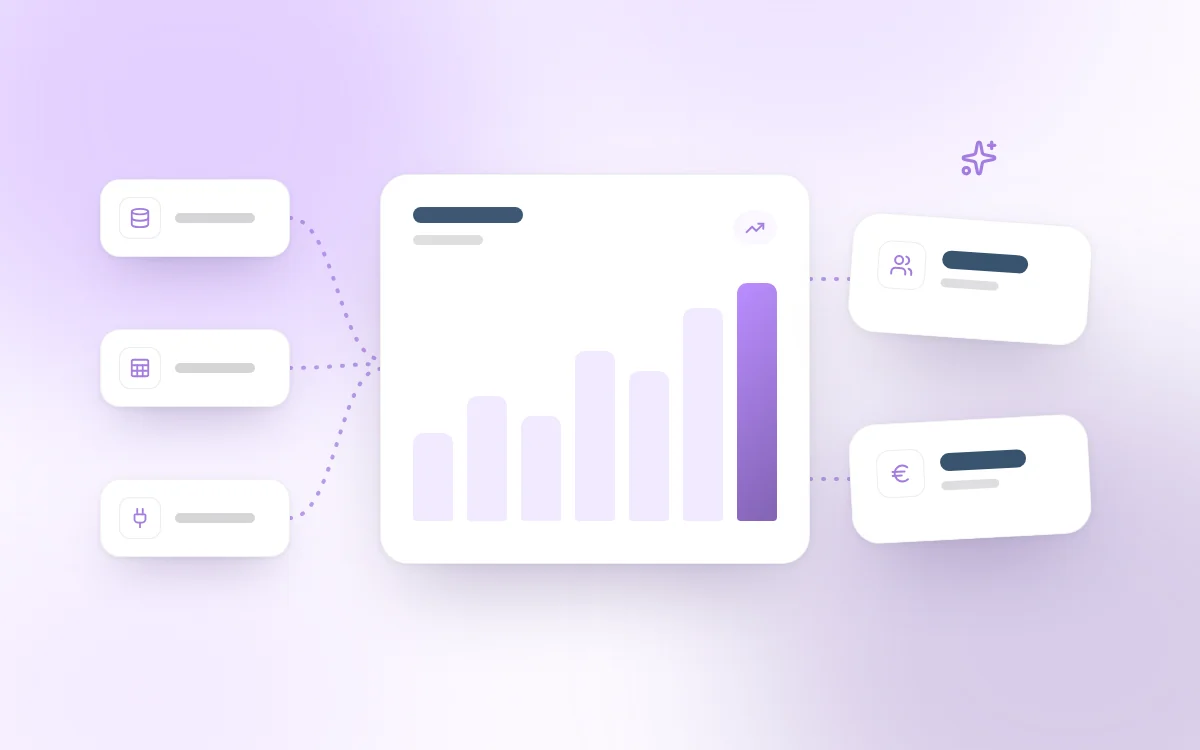
Metabase for SMBs: centralize your data, build dashboards and track your KPIs in real time. A comparison with Power BI and Looker, and the tool's limits.
 Tech · 6 min
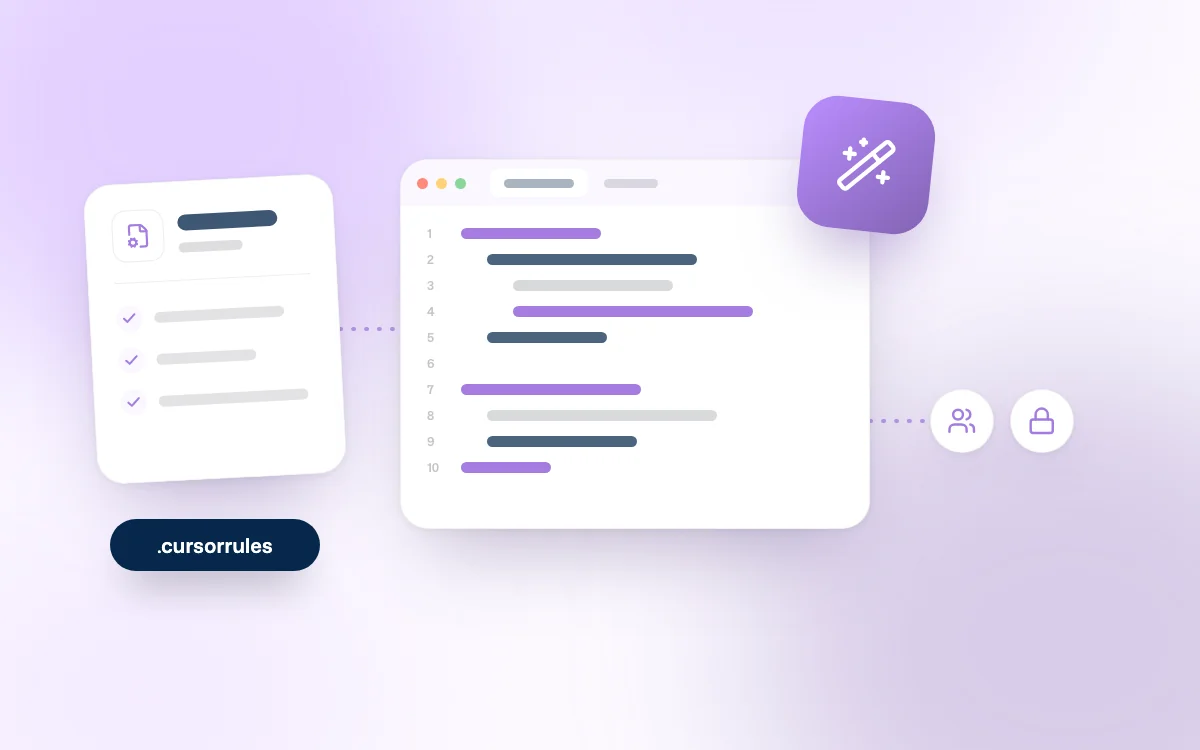
Using Cursor as a team in 2026: how to set up .cursorrules, share context, keep your code secure and compare Cursor with Claude Code and Copilot.
 Tech · 7 min
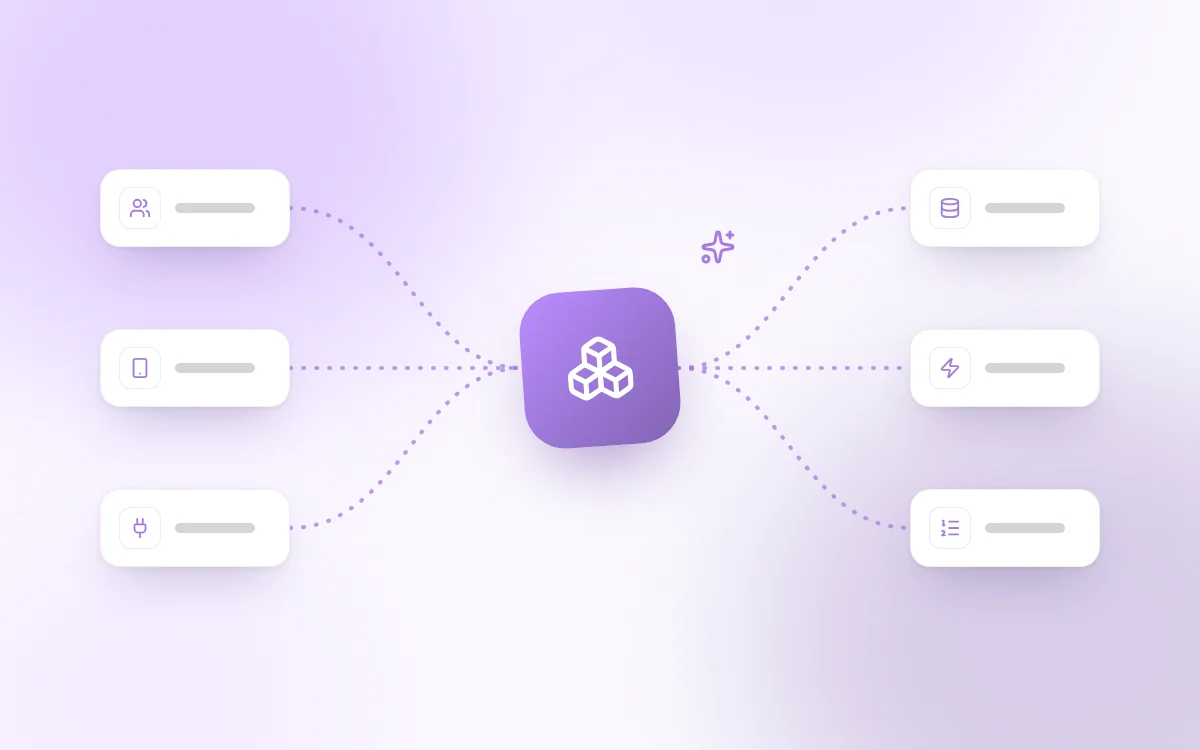
Scalable software architecture for SaaS in 2026: modular monolith or microservices, horizontal scaling, caching, message queues and the mistakes to avoid.
Fragments Studio handles everything: from strategy to production.
Discuss my project