Metabase: a data dashboard to run your business in 2026
Metabase for SMBs: centralize your data, build dashboards and track your KPIs in real time. A comparison with Power BI and Looker, and the tool's limits.
 Tech · 6 min
In 2026, the line between coding and assembling has never been so blurry. This guide gives you the keys to choose between the speed of no-code and the sovereignty of custom development, with a concrete decision tree to secure your technology investments.
The development landscape has changed radically. According to Gartner, by 2026, 70% of new enterprise applications will use low-code or no-code technologies, compared with less than 25% in 2020. The explosion of generative AI has accelerated this trend: today, the question is no longer whether a tool can be built, but how fast and with what level of control.
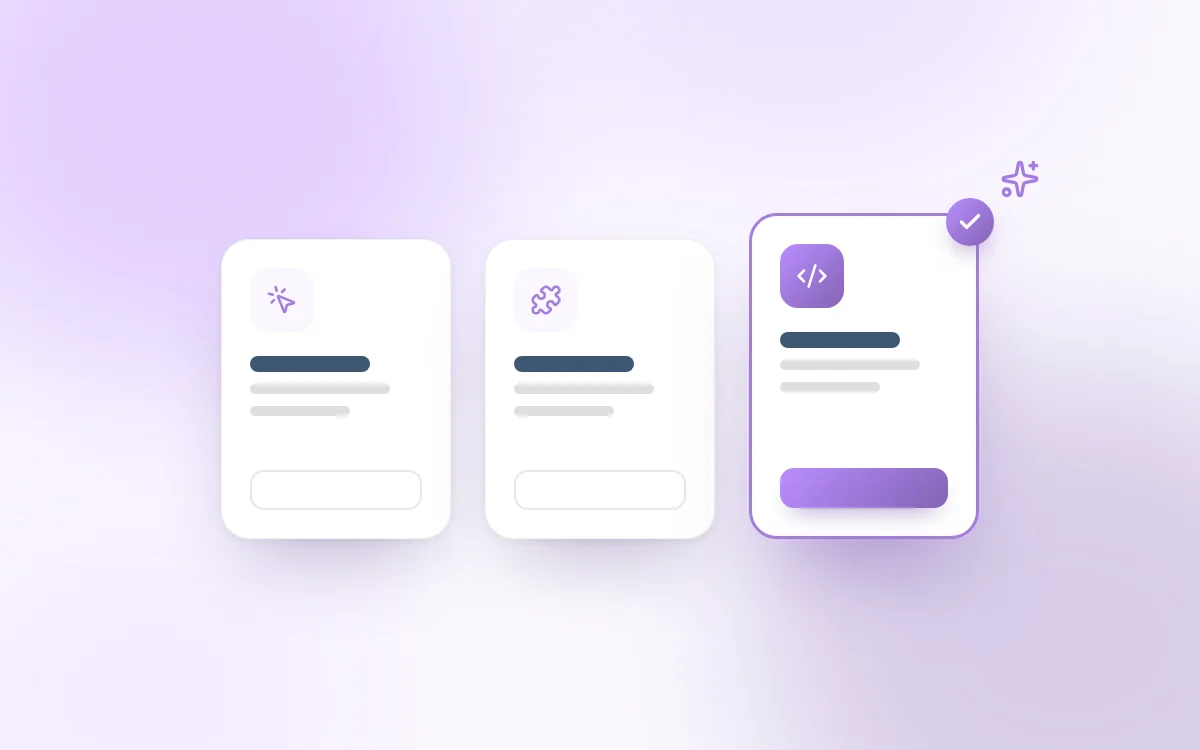
To make the right choice, you first need to name the tools correctly. Here is how we define these three approaches at Fragments Studio:
Choosing a stack is not a matter of taste, but of strategy. At Fragments Studio, we use five pillars to advise our clients.
If your project relies on standard business rules (a sales funnel, a directory, content management), no-code is unbeatable. However, if you need to handle complex algorithms, high-precision calculations or highly specific workflows, custom development becomes essential.
No-code is excellent for validating an MVP (Minimum Viable Product). However, as soon as you reach thousands of concurrent users or handle massive volumes of data, platform costs explode and performance can suffer. Custom development lets you optimize the infrastructure down to the last detail.
The entry ticket for no-code is low, but watch out for the hidden cost of monthly subscriptions. In 2026, the cost of owning a complex no-code application can exceed that of a custom application over the long term. Custom development requires a heavier initial investment but offers better profitability over 3 to 5 years.
This is the critical point. With no-code, you are often trapped by the platform (the famous vendor lock-in). If the tool shuts down or raises its prices, you cannot simply "export" your application. With custom development, you own the source code: it is a valuable asset for your company.
| Criterion | No-code | Low-code | Custom |
|---|---|---|---|
| Time to market | Very high (days) | High (weeks) | Moderate (months) |
| Initial cost | Low | Moderate | High |
| Technical scalability | Limited | Good | Unlimited |
| Code ownership | None | Partial | 100% |
| Maintenance | Handled by the tool | Shared | Your responsibility |
To make these concepts concrete, here is how we steer projects at Fragments Studio depending on their nature.
You are launching a new service and need a visually high-performing showcase site in 48 hours. Why no-code? A tool like Framer lets designers publish directly without going through a developer. It is the ideal solution to test a value proposition without committing a heavy development budget.
Your sales team wants to automatically sync leads from LinkedIn to a CRM, then send an alert on Slack and create an invoice. Why low-code? Platforms like Make (formerly Integromat) or Zapier let you connect existing software in a few clicks. If a step requires a complex data transformation, you can inject a small script (JavaScript), offering the best of both worlds.
You are building a logistics management platform that must control robots in real time and integrate with legacy proprietary industrial systems. Why custom? Here, no no-code platform can handle the required latency or the complexity of the protocols. Custom development ensures the tool adapts to your processes, not the other way around. It is the core of your competitive advantage.
Despite the lightning-fast progress of visual tools, three major obstacles remain for ambitious companies in 2026.
First, functional restrictions. Sooner or later, you will hit the "no-code wall": that specific feature you need but that the platform does not allow you to build. This frustration often generates colossal technical debt when people try to work around the problem with fragile "hacks".
Second, security and compliance. For health or banking data, delegating security to a third-party platform whose infrastructure you do not control can be a major legal risk (GDPR). Custom web development lets you choose precisely where your data is located and how strongly it is encrypted.
Finally, raw performance. A no-code application often loads unnecessary libraries, slowing down the user experience. For a product whose success depends on responsiveness (like a financial dashboard), hand-optimized code remains the absolute benchmark.
Can you migrate from no-code to custom later?
Yes, it is even a common strategy called "Throwaway Prototyping". You use no-code to validate the market, then rebuild cleanly in custom code as soon as the product has found its audience. Be careful, though: none of the code generated by the no-code tool will be reusable.
Is low-code less secure than traditional development?
Not necessarily, but it adds a layer of dependency. Security depends on the chosen platform (such as Retool or OutSystems) and on how your developers configure API access. Vigilance is still required.
Will AI make custom development disappear?
On the contrary, AI makes custom development more accessible by speeding up the writing of repetitive code. In 2026, AI lets developers focus on architecture and business value, making custom development more competitive against low-code.
What is the number one criterion for choosing in 2026?
Strategic value. If the application is your core business (your product), go custom. If it is an internal support tool, no-code or low-code will be more than enough.
In 2026, the choice between no-code, low-code and custom development is no longer a turf war but a question of opportunity. No-code is your best ally for agility and experimentation. Low-code is the engine of your internal operational efficiency. But to build a durable, scalable and high-performing digital asset, custom development remains the gold standard.
To dig deeper into this topic, you can read our comparison article: No-Code vs Development: which one should you really choose?.
Choosing the wrong tech stack can cost months of delay and tens of thousands of euros. At Fragments Studio, we help you decide with confidence.
Follow Fragments Studio on Google
Add us to your preferred sources and our articles get surfaced first in Top Stories, AI Overviews and AI Mode.
 Tech · 6 min
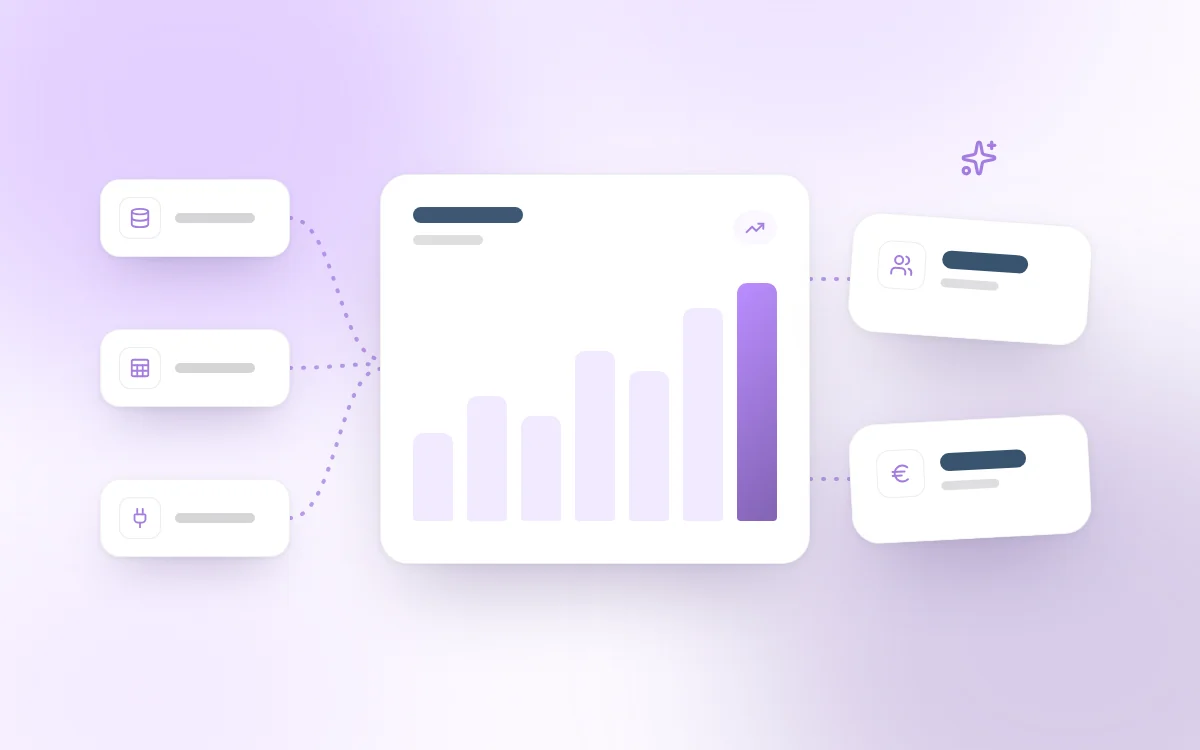
Metabase for SMBs: centralize your data, build dashboards and track your KPIs in real time. A comparison with Power BI and Looker, and the tool's limits.
 Tech · 6 min
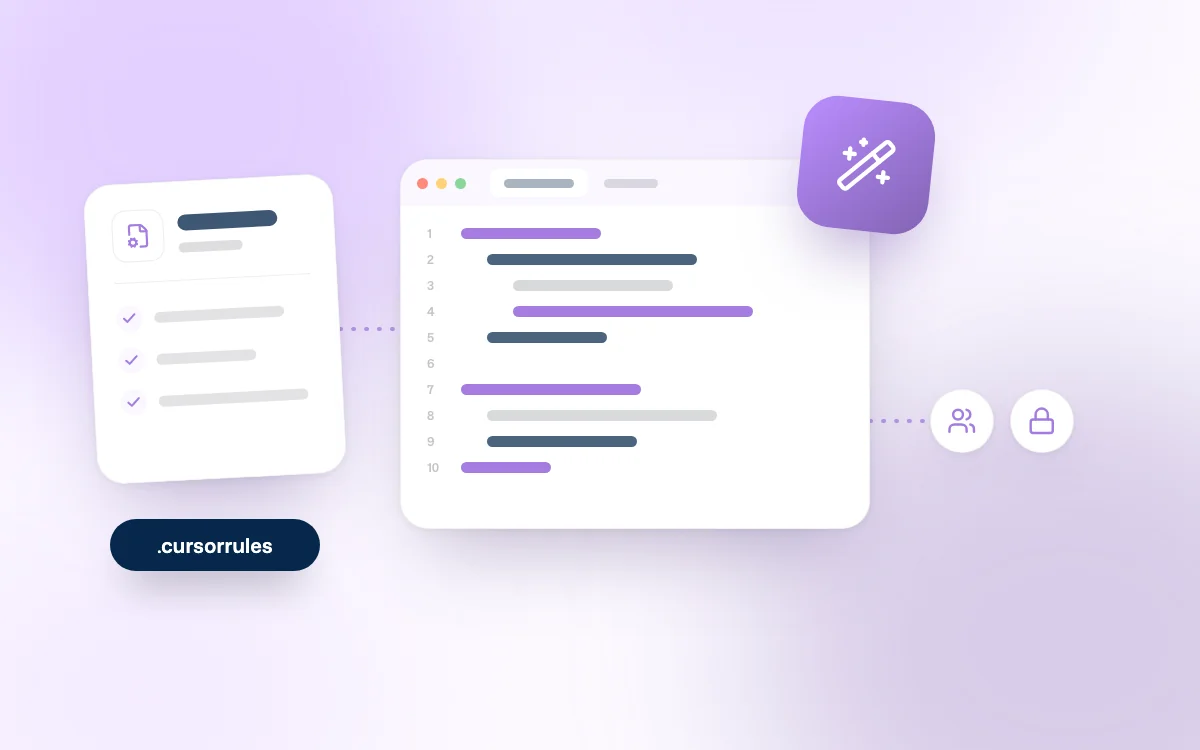
Using Cursor as a team in 2026: how to set up .cursorrules, share context, keep your code secure and compare Cursor with Claude Code and Copilot.
 Tech · 7 min
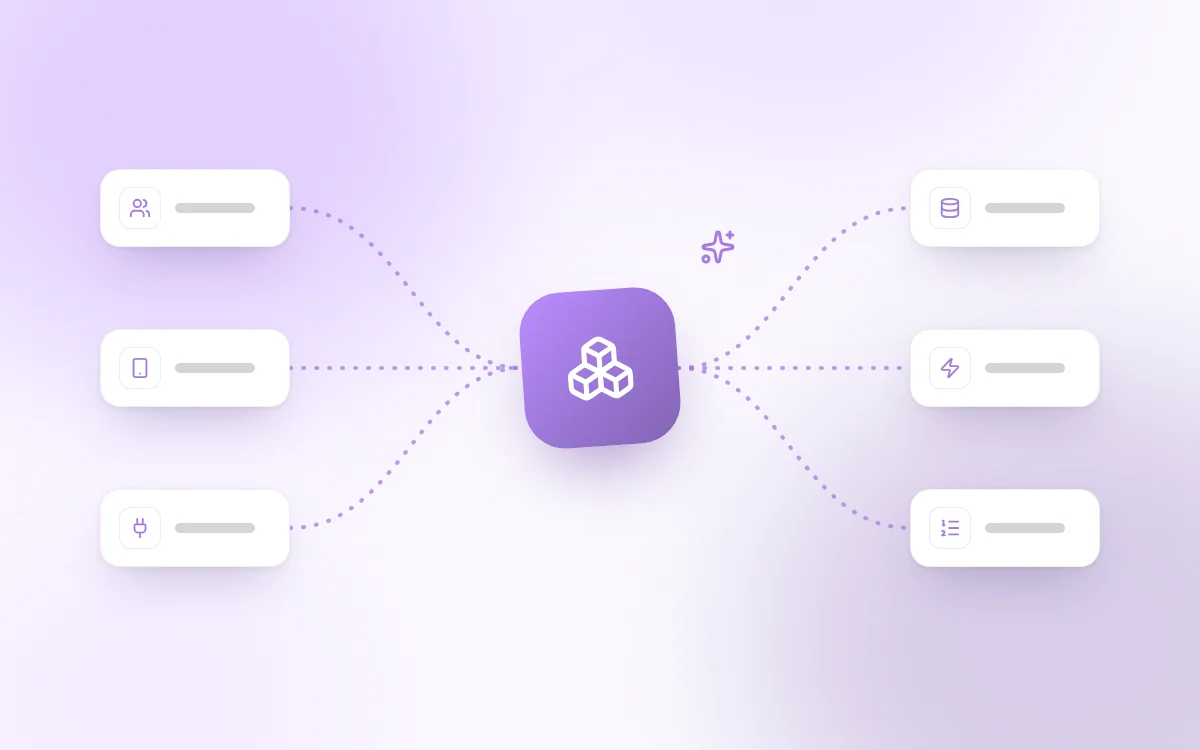
Scalable software architecture for SaaS in 2026: modular monolith or microservices, horizontal scaling, caching, message queues and the mistakes to avoid.
Fragments Studio handles everything: from strategy to production.
Discuss my project