Metabase: a data dashboard to run your business in 2026
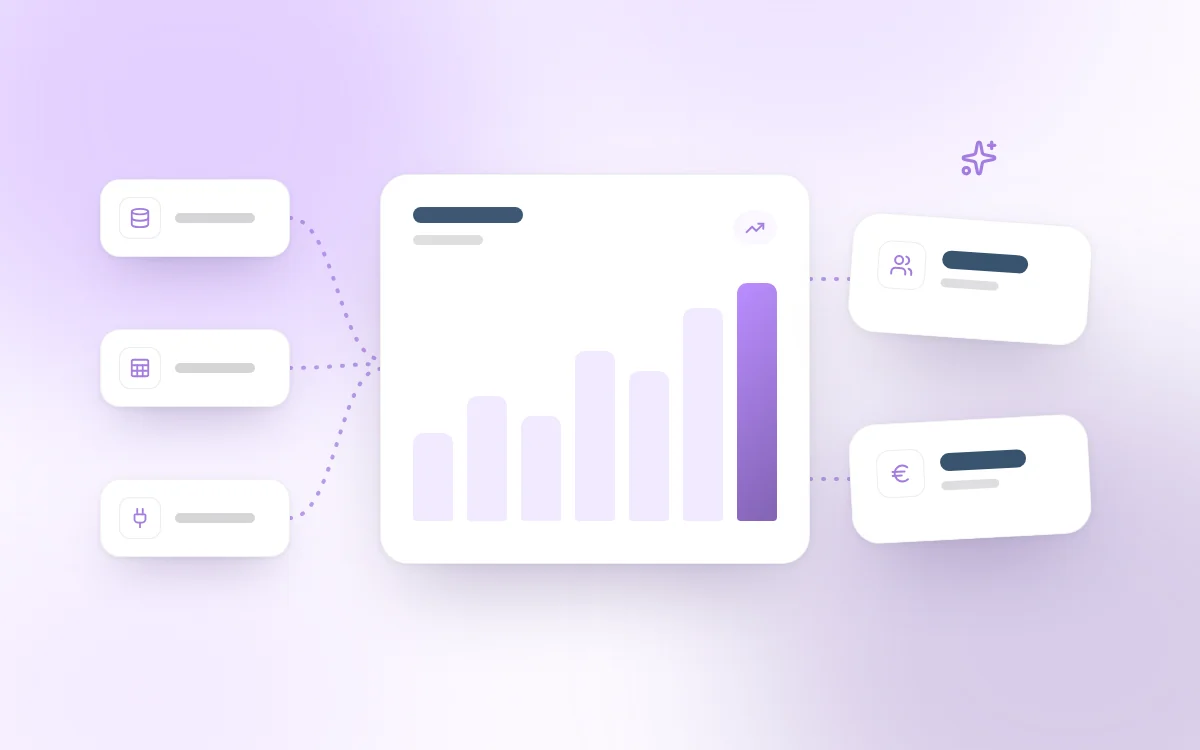
Metabase for SMBs: centralize your data, build dashboards and track your KPIs in real time. A comparison with Power BI and Looker, and the tool's limits.
 Tech · 6 min
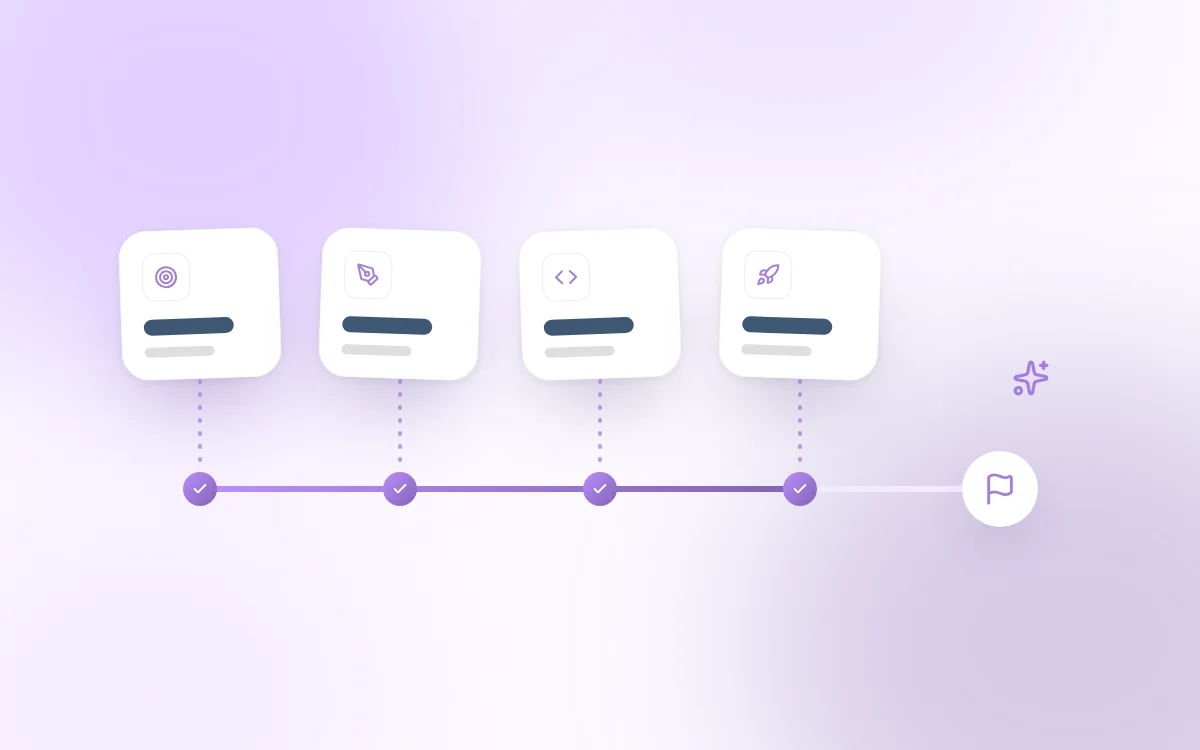
Succeeding with an MVP is not about building a stripped-down version of a final product, but about validating the smallest set of features capable of proving business value. In 2026, speed of execution has become the main defense against obsolescence as AI-powered solutions proliferate.
A Minimum Viable Product (MVP) is a version of a product that allows a team to collect the maximum amount of validated learning about customers with the least possible effort. At Fragments Studio, we have refined a structured methodology that takes you from idea to deployment in a 4 to 7 week cycle. The challenge is no longer just to code, but to radically reduce uncertainty. According to data published in late 2024 by CB Insights, 35% of startups still fail because there is no market need. Our approach aims to eliminate this risk before committing massive development budgets.
Product scoping is the foundation phase where a vague vision is turned into an actionable roadmap. The goal is to identify the critical problem you are solving, and for whom. We systematically use the MoSCoW method to prioritize features:
At the end of this week, we write the essential User Stories. A user story is a simple description of a feature from the end user's point of view: 'As a user, I want to [action] so that [benefit]'. At Fragments Studio, we deliberately limit the MVP to 5 to 10 critical stories.
The Design Sprint makes it possible to visualize the product without writing a single line of code. This is where we turn the scoping into a tangible interface.
This phase is crucial to avoid building features that users do not understand. If the prototype fails the tests, we pivot immediately. The cost of a change at the design stage is 10 times lower than that of a change during development.
Moving to code must be fast and robust. For our custom development projects, we favor a modern, scalable tech stack: React for the frontend and NestJS for the backend.
Why this stack in 2026?
We work in one-week sprints. Each week ends with a live demo. This Continuous Delivery approach guarantees full transparency. You see your product grow every Friday, which lets you adjust course in real time rather than waiting for the end of the development tunnel.
Launch is not an end, but the beginning of learning. An MVP without metrics is a blind project. From day 1, we integrate measurement tools such as PostHog or Mixpanel to track:
At Fragments Studio, we believe that a successful MVP is not the one that is technically perfect, but the one that generates enough data to decide on the rest of the roadmap with certainty.
CocoDrive is revolutionizing mobility with home fuel delivery. We supported the founder end to end, from idea to deployment, with a clear goal: validate the market before investing in heavy infrastructure.
How much does an MVP really cost in 2026?
The cost varies with complexity, but an MVP scoped with the Fragments method generally ranges between €25,000 and €60,000. This budget covers design, development and product management for an industrial-grade solution.
Can you use no-code for an MVP?
Yes, for internal tools or simple directories. However, for innovative products that require proprietary algorithms or strong scalability, custom development remains essential to avoid hitting a technological glass ceiling after 3 months.
What is the difference between an MVP and a prototype?
A prototype is a visual simulation (often in Figma) used to test an idea. An MVP is functional software, with a real database, that users use to solve a real problem.
Building an MVP in 2026 takes discipline more than lines of code. By following a cycle of 1 week of scoping, 1 week of design and 4 weeks of development, you minimize your financial risk while maximizing your chances of finding your Product-Market Fit. The Fragments method is not only about speed, it is about relevance. Every feature must earn its place in the backlog by proving its value.
Going from vision to reality requires proven technical and product expertise.
Follow Fragments Studio on Google
Add us to your preferred sources and our articles get surfaced first in Top Stories, AI Overviews and AI Mode.
 Tech · 6 min
Metabase for SMBs: centralize your data, build dashboards and track your KPIs in real time. A comparison with Power BI and Looker, and the tool's limits.
 Tech · 6 min
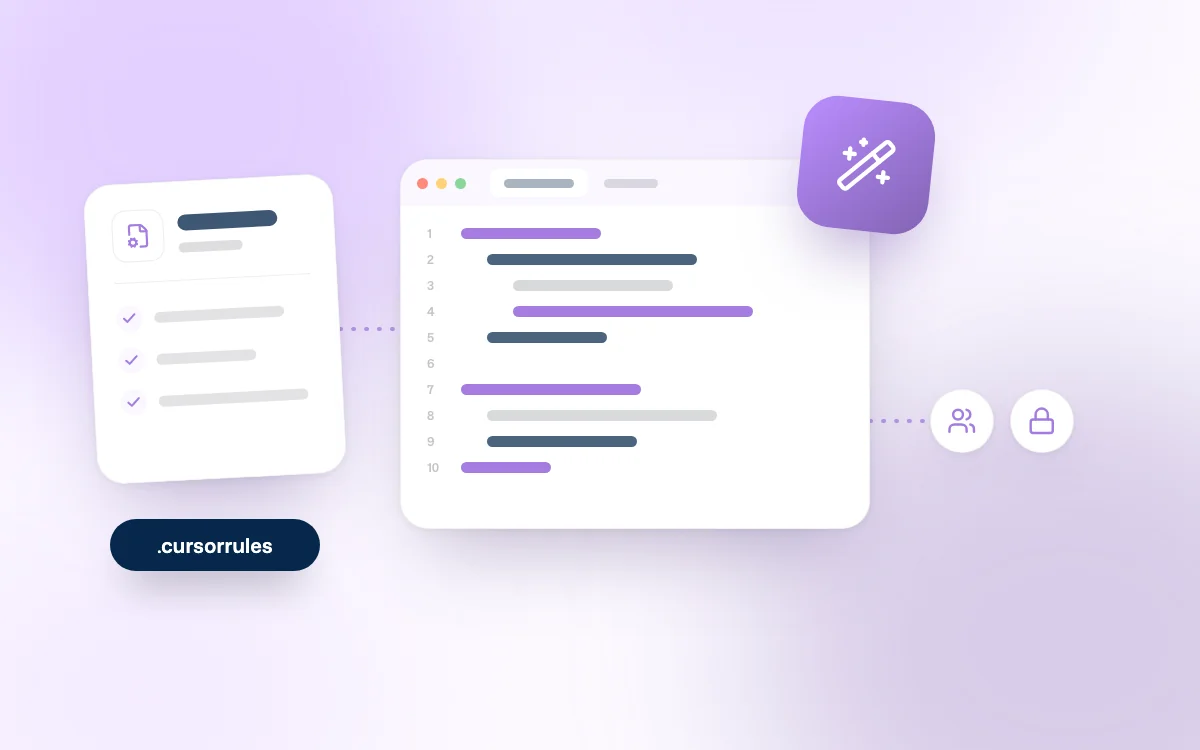
Using Cursor as a team in 2026: how to set up .cursorrules, share context, keep your code secure and compare Cursor with Claude Code and Copilot.
 Tech · 7 min
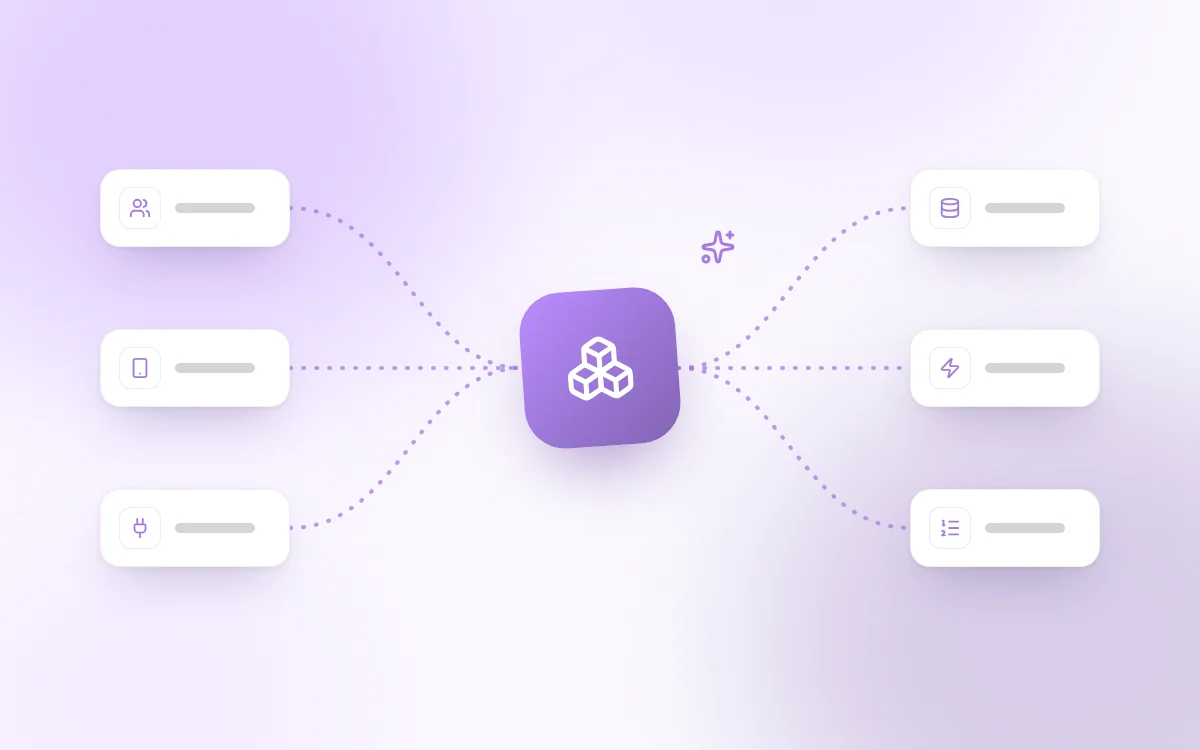
Scalable software architecture for SaaS in 2026: modular monolith or microservices, horizontal scaling, caching, message queues and the mistakes to avoid.
Fragments Studio handles everything: from strategy to production.
Discuss my project