Metabase: a data dashboard to run your business in 2026
Metabase for SMBs: centralize your data, build dashboards and track your KPIs in real time. A comparison with Power BI and Looker, and the tool's limits.
 Tech · 6 min
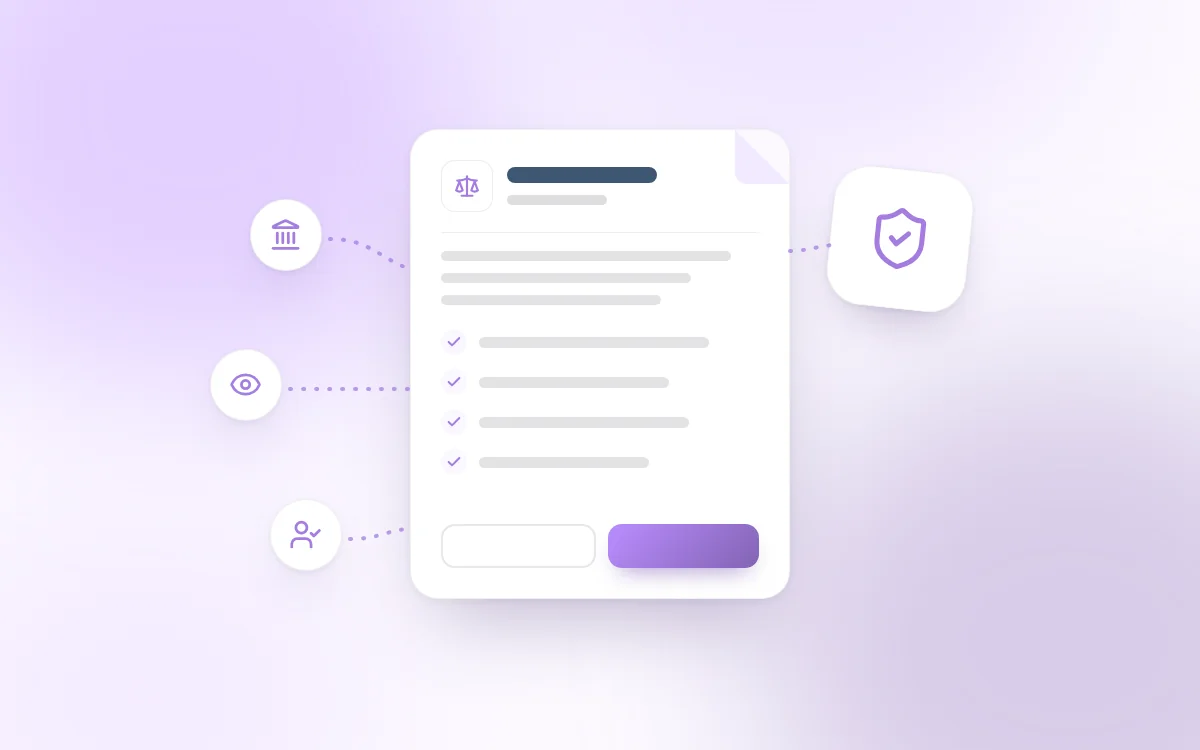
Since August 1, 2024, the regulatory framework for artificial intelligence in Europe has changed radically. As we reach the crucial compliance milestone for high-risk systems in 2026, many SMB leaders are still wondering what real impact the AI Act has on their day-to-day business. Here are the keys to navigating this new legislative landscape calmly without slowing down your innovation.
The AI Act (or European AI Regulation) is the world's first comprehensive law aimed at governing the development and use of artificial intelligence. Its goal is not to restrain the technology, but to establish a framework of trust based on the level of risk. For an SMB, this means that most of the tools in everyday use (chatbots, productivity tools, analytics) only require minor adjustments, far from the administrative burden many feared.
The regulation takes a proportionate approach. The higher the risk to fundamental rights or safety, the stricter the rules. At Fragments Studio, we classify our clients' projects according to these four pillars to ensure immediate compliance.
Since February 2025, certain uses have been strictly prohibited on European soil. These are systems deemed contrary to EU values.
This is the main focus of attention in 2026. These systems are not banned but must meet draconian quality and transparency criteria.
This is where most of today's innovative tools sit. The main obligation is to inform users that they are interacting with a machine.
The vast majority of AI applications fall into this category. They pose no identified risk to citizens.
The rollout is gradual to give companies time to adapt. Here are the key dates every CTO or business leader should keep in mind:
According to the latest studies from the European Commission, more than 80% of SMBs already use at least one AI tool, but fewer than 5% deploy systems classified as "high risk."
It is crucial to dispel a common misconception: no, the AI Act is not going to kill the agility of your startup or SMB. If you use standard tools on the market, most of the compliance work has already been done by the vendors.
Most SMBs are AI deployers, not providers. If you use a custom development solution that includes a generative AI component (such as ChatGPT via API), your obligations often boil down to:
At Fragments Studio, we see that for 9 projects out of 10, compliance is handled by adding a clear legal notice and a data audit that would have been necessary for the GDPR anyway.
For limited-risk or high-risk systems, three fundamental pillars must be respected in 2026:
Users must never be misled. If your website offers a virtual assistant for support, an explicit notice such as "You are chatting with an automated assistant" is mandatory. Likewise, synthetic content (images, videos) must be marked with watermarks or specific metadata.
For high-risk systems, you must keep up-to-date documentation detailing the system's architecture, the datasets used for training and the security measures. The goal is to be able to justify the AI's logic in the event of an audit.
AI must not be the final judge, especially in sensitive contexts (HR, finance). A human must be able to supervise, intervene in or overturn a decision made by the algorithm. This is a precautionary principle that also strengthens the quality of your Product Experience.
Although the tone of this article is reassuring, the enforcement side should not be ignored. The penalties are modeled on the GDPR, with a dimension proportional to the size of the company.
However, the AI Act provides specific relief for SMBs: fines are capped at the lower of the fixed amount and the percentage of revenue, and supervisory authorities are encouraged to favor guidance over immediate penalties for small organizations.
Is my internal chatbot for employees subject to the AI Act? Yes, but it generally falls into the "minimal" or "limited" risk category. Your only real obligation is to inform your employees that they are using an AI and to make sure the data processed complies with the GDPR.
Do I need to have my AI application certified by a third-party body? Only if your system is classified as "high risk." For the vast majority of SMB use cases (marketing, sales, support), a simple compliance self-assessment is enough.
What is a general-purpose AI system (GPAI)? A GPAI system is a model capable of performing a wide range of tasks (such as GPT-4 or Gemini). If you integrate these models into your product, you rely on the compliance of the model provider (OpenAI, Google, Mistral), but you remain responsible for the specific use you make of it.
How do I know if my project is "high risk"? Refer to Annex III of the AI Act. If your AI makes decisions about access to employment, education, public services or bank loans, it is very likely high risk.
The AI Act in 2026 is not an obstacle to innovation, but a necessary safeguard. For most SMBs, compliance is an opportunity to structure their data properly and to reassure their clients about the ethics of their tools.
By anticipating the August 2026 deadlines, you turn a legal constraint into a competitive advantage built on trust.
Don't let regulatory questions hold back your technology ambitions. Our team helps you reconcile performance and compliance.
Follow Fragments Studio on Google
Add us to your preferred sources and our articles get surfaced first in Top Stories, AI Overviews and AI Mode.
 Tech · 6 min
Metabase for SMBs: centralize your data, build dashboards and track your KPIs in real time. A comparison with Power BI and Looker, and the tool's limits.
 Tech · 6 min
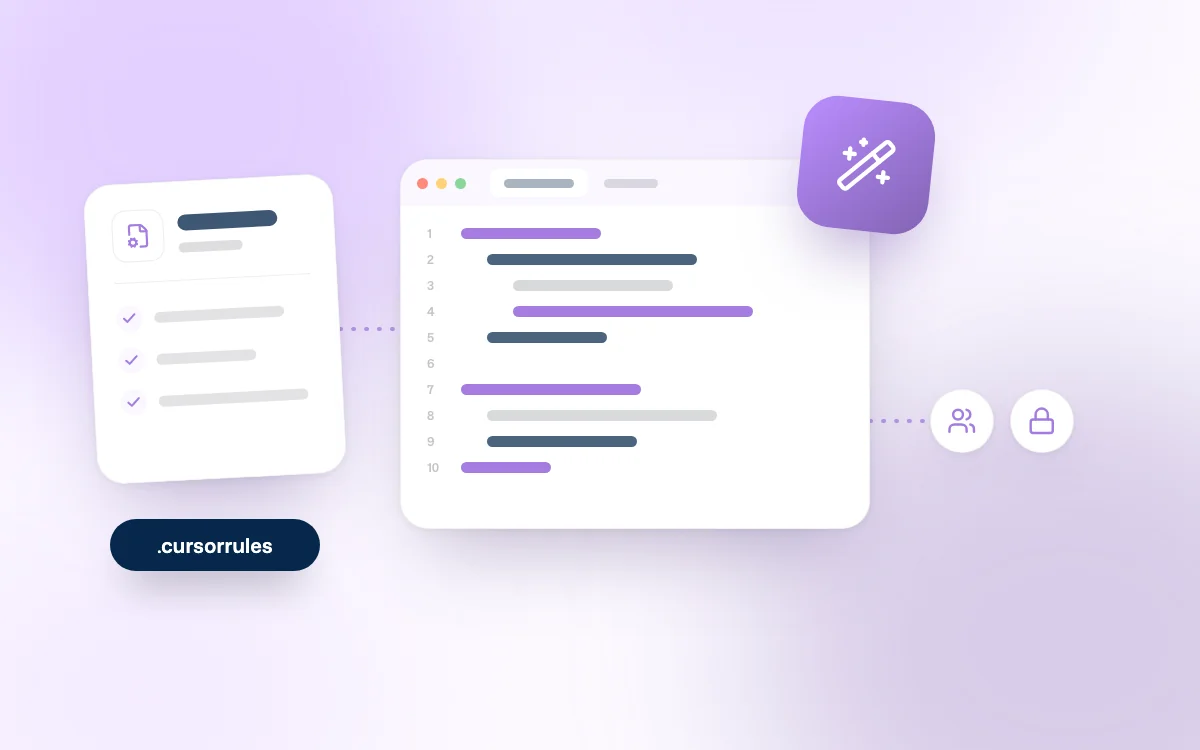
Using Cursor as a team in 2026: how to set up .cursorrules, share context, keep your code secure and compare Cursor with Claude Code and Copilot.
 Tech · 7 min
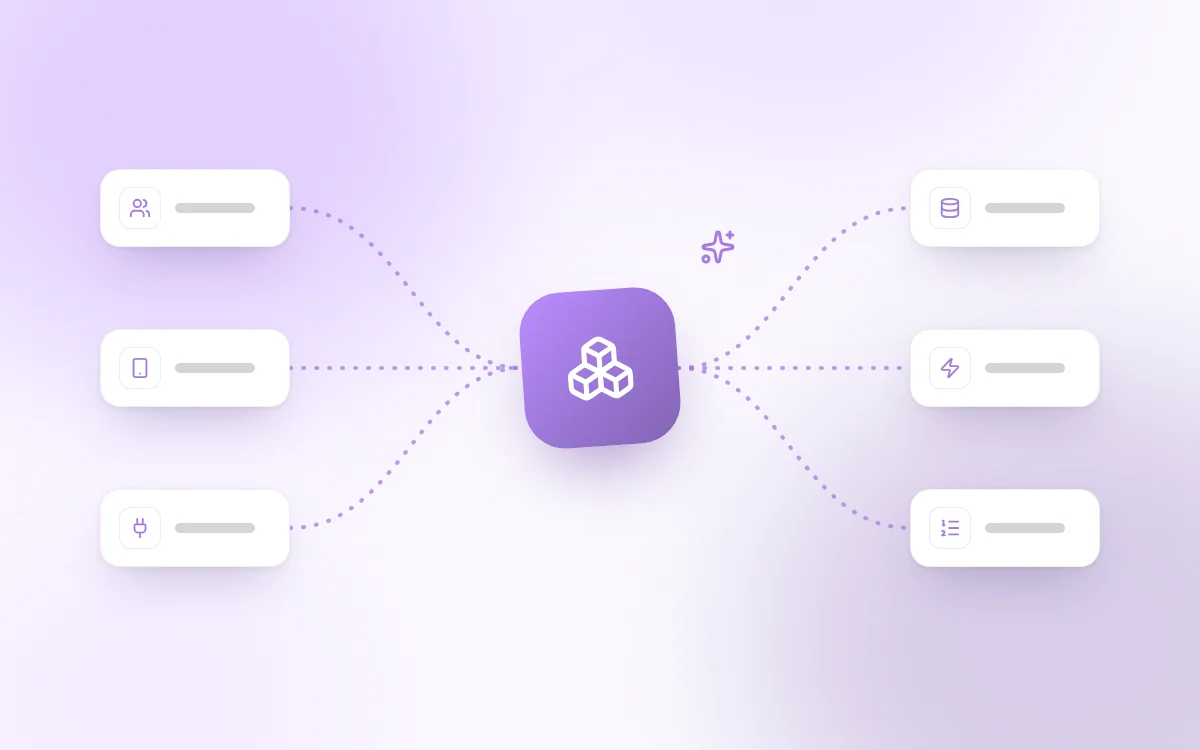
Scalable software architecture for SaaS in 2026: modular monolith or microservices, horizontal scaling, caching, message queues and the mistakes to avoid.
Fragments Studio handles everything: from strategy to production.
Discuss my project