Metabase: a data dashboard to run your business in 2026
Metabase for SMBs: centralize your data, build dashboards and track your KPIs in real time. A comparison with Power BI and Looker, and the tool's limits.
 Tech · 7 min
Google took a decisive step in August 2026 by opening up to publishers a "Preferred Sources" button that can be embedded directly on their sites. This feature lets readers signal their trust in one click, propelling your content into Top Stories and AI Overviews with an exclusive authority badge.
The search ecosystem has changed radically. In 2026, being indexed is no longer enough; you have to be chosen. With the rollout of the Google Preferred Sources button, the search engine is shifting the focus from algorithmic authority to declared authority. At Fragments Studio, we integrated this new module as soon as it was released, for our clients and for our own platform, in order to analyze its real impact on Generative Engine Optimization (GEO).
The Preferred Sources program is a search personalization feature that lets users define an allowlist of websites they consider trustworthy. When a user marks your site as a preferred source, your articles get a massive visibility boost in three key areas:
Unlike traditional SEO, which relies on backlinks, this system relies on user loyalty. It is a powerful retention lever that turns an occasional visitor into a pillar of your organic audience.
The technical integration is deliberately simple, reminiscent of the social sharing buttons of the 2010s, but with a reinforced security layer to prevent clickjacking-type abuse. Google recommends implementing it via a standard JavaScript script.
You first need to include the Google Search SDK in the <head> tag of your site. This script is asynchronous so it does not affect your Core Web Vitals.
<script src='https://apis.google.com/js/platform.js?publisher=YOUR_SEARCH_CONSOLE_ID' async defer></script>
Then place the following tag where you want the button to appear. We recommend placing it at the end of the article or in a sticky sidebar to maximize the conversion rate.
<div class='g-preferred-source' data-domain='your-domain.com' data-theme='light' data-size='medium'>
</div>
Once the button is installed, a new report appears in your Google Search Console under the "Audience & Personalization" tab. There you will find the number of active users who have added you to their preferred sources and the direct impact on your impressions in AI Overviews.
The arrival of this button is a game changer for our GEO expertise. AI search engines like Google Search (AI Mode) or Perplexity seek to reduce hallucinations by relying on user-verified sources.
According to data published by Google in August 2026, sites with more than 10,000 "active selections" see their likelihood of appearing in AI Overviews tripled on broad informational queries. The "Preferred source" badge acts as instant social proof right inside the AI-generated answer.
At Fragments Studio, we advise integrating this button not only on your blog, but also on your technical documentation pages if you run a SaaS application. This ensures your users always find your official guides at the top of their AI searches.
Google is very strict about how this button is used. Here are the golden rules for 2026 so you do not risk being downgraded:
The button should be seen as a service to the reader: "Enjoy our expertise? Make sure you never miss our next analyses thanks to Google."
Does the Preferred Sources button replace traditional SEO?
No, it complements it. Traditional SEO (keywords, structure, links) remains necessary to acquire new visitors. The Preferred Sources button serves to secure and amplify visibility with your existing audience and in personalized AI interfaces.
Does the button work on mobile and desktop?
Yes, the button is fully responsive. On mobile, it integrates seamlessly into the Google app and Chrome on iOS/Android, making it possible to add a site with a single tap.
What are the prerequisites to display the button?
Your site must be verified in Google Search Console and comply with HTTPS security guidelines. Sites with a history of spam or low-quality AI-generated content may be denied access to the module.
Can you customize the button's design?
Google offers three themes (light, dark, neutral) and two sizes. For reasons of consistency and user trust, modifying the button's internal CSS is limited.
Integrating the Google Preferred Sources button is arguably the most cost-effective technical optimization of late 2026. By making it easier for your readers to declare their trust, you regain control over generative algorithms and secure a prime spot for your content in a web increasingly fragmented by AI.
Integrating new standards like the Preferred Sources button requires a clear vision of your SEO and GEO strategy.
Follow Fragments Studio on Google
Add us to your preferred sources and our articles get surfaced first in Top Stories, AI Overviews and AI Mode.
 Tech · 6 min
Metabase for SMBs: centralize your data, build dashboards and track your KPIs in real time. A comparison with Power BI and Looker, and the tool's limits.
 Tech · 6 min
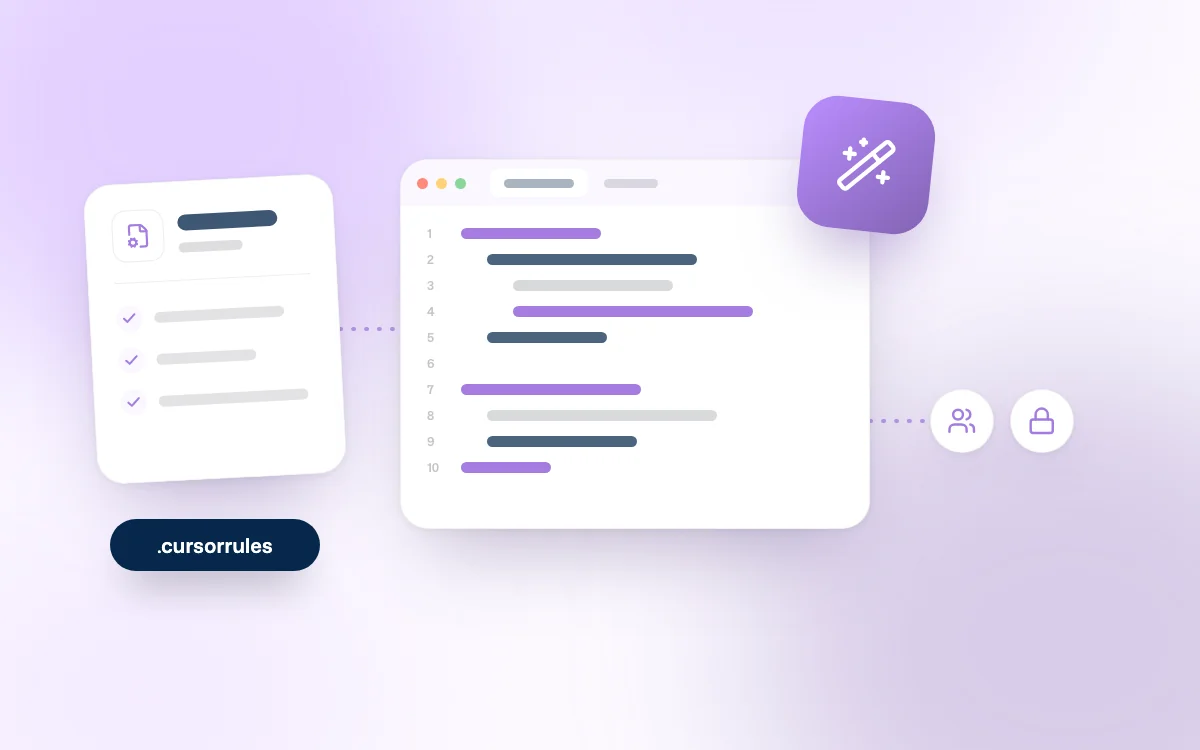
Using Cursor as a team in 2026: how to set up .cursorrules, share context, keep your code secure and compare Cursor with Claude Code and Copilot.
 Tech · 7 min
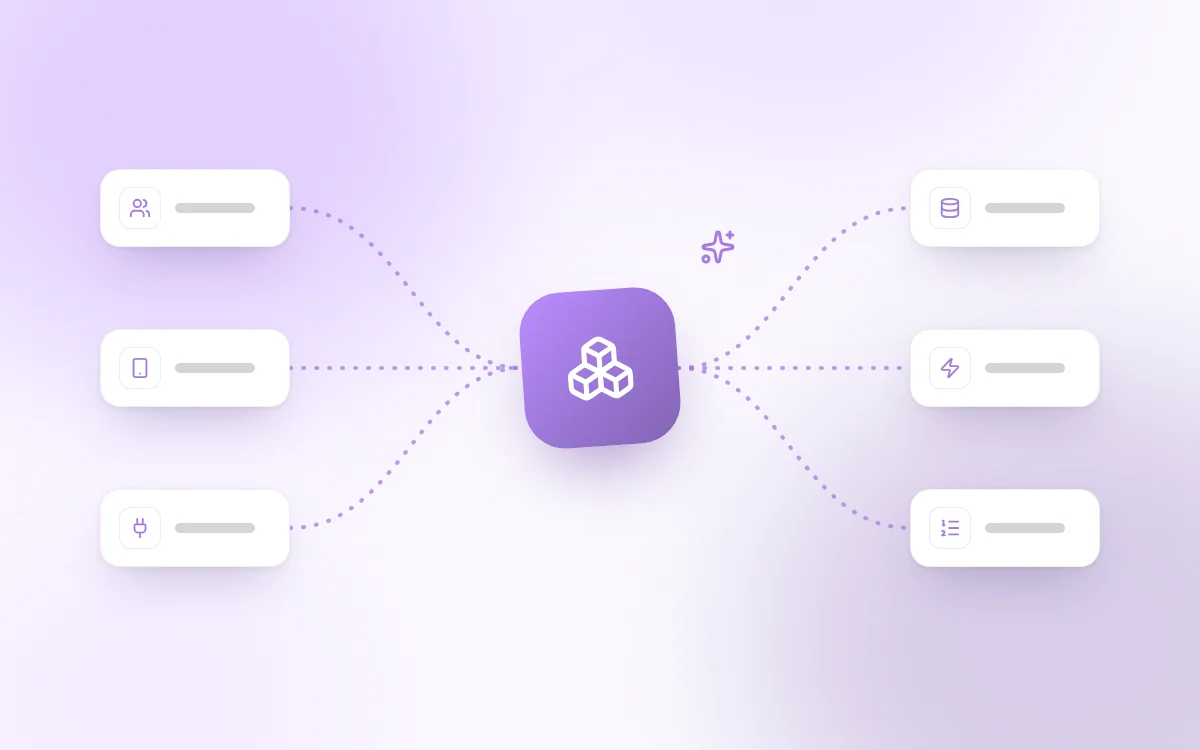
Scalable software architecture for SaaS in 2026: modular monolith or microservices, horizontal scaling, caching, message queues and the mistakes to avoid.
Fragments Studio handles everything: from strategy to production.
Discuss my project