Metabase: a data dashboard to run your business in 2026
Metabase for SMBs: centralize your data, build dashboards and track your KPIs in real time. A comparison with Power BI and Looker, and the tool's limits.
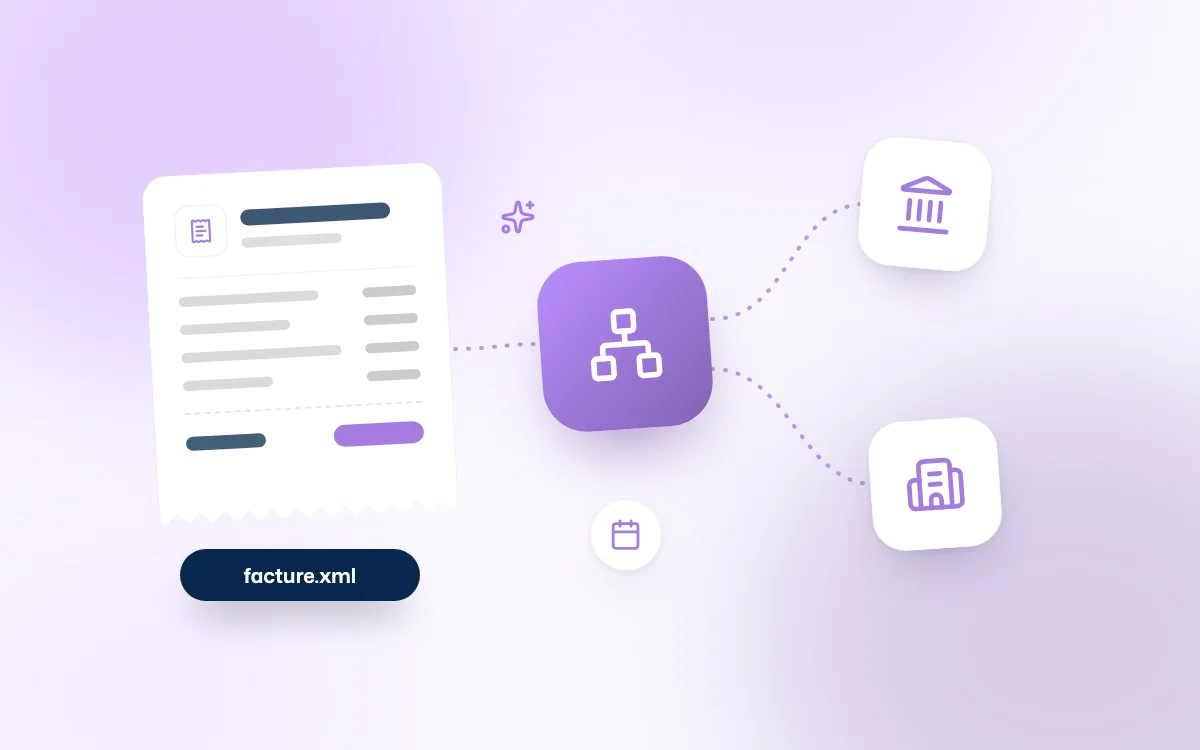 Tech · 7 min
The mandatory e-invoicing reform is no longer a distant deadline: it takes effect in September 2026. For companies running custom business software or a custom ERP, the challenge is not to switch tools, but to turn the existing system into a compliant node of the French tax network by integrating APIs and handling structured data flows.
Mandatory electronic invoicing (or e-invoicing) is a structural reform that aims to digitize the entire lifecycle of an invoice for transactions between VAT-registered businesses in France. It goes beyond sending a digital document; it requires the systematic transmission of structured data to the tax authorities.
The rollout follows a strict timeline in two major phases:
At Fragments Studio, we see that many executives view this as an accounting constraint. Technically, it is first and foremost an interoperability challenge. Your business software now has to speak a universal, standardized language.
To navigate this reform, it is crucial to understand the technical building blocks that make up the new tax landscape.
The challenge for your custom business software is to be able to generate Factur-X natively to avoid any break in the flow.
The format we all know (sending a plain PDF by email) becomes illegal for B2B transactions starting in September 2026.
A standard PDF is "unstructured" data: a machine cannot extract the VAT amount or the SIRET number (French company identification number) without a risk of error (OCR).
The reform imposes three pillars that your current tools probably do not handle yet:
If you use a digital tool that can no longer keep up, this reform is the ideal time to consider an in-depth update of your data architecture.
Rather than abandoning a high-performing business tool for a generic SaaS (which will not cover your specific needs), the most effective approach is to build a technical bridge. Instead of asking yourself "which new software should I buy", ask yourself "how do I connect my current software to a PA (formerly PDP)".
Almost all PAs (formerly PDPs) expose APIs (Application Programming Interfaces). The work consists of developing a module within your business software that will:
Your interface must now show whether the invoice was received by the customer or rejected by the tax authorities because of a calculation error.
This API integration in your tool lets you automate these status updates without any manual action from your accountants.
For in-store or export sales, your software must aggregate transactions and push them periodically (roughly every 10 days for most companies) to the PA (formerly PDP) through a dedicated API route.
At Fragments Studio, we do not publish accounting software. Our job is to work on your existing code to make it compliant and high-performing, including when it needs to talk to Sage or to an invoicing connector.
Our methodology for e-invoicing 2026 runs in three phases:
This approach lets you keep control of your tool while keeping your TCO (Total Cost of Ownership) under control: you do not pay for an expensive new per-user software subscription, you pay for a technical update of your own asset.
The penalties set by the authorities are dissuasive:
What is a PA (Plateforme Agréée, formerly PDP)?
A PA is a private operator registered by the tax authorities that handles the issuing, transmission and receipt of structured electronic invoices. It guarantees the compliance of the data sent to the government and interoperability between companies.
Can I keep sending PDF invoices by email?
No. Starting September 1, 2026, sending plain PDFs by email will no longer have legal value for domestic B2B transactions. Invoices will have to go through an approved platform in a structured format such as Factur-X.
What is the difference between e-invoicing and e-reporting?
E-invoicing covers the exchange of structured invoices between French companies (B2B). E-reporting is the mandatory transmission of payment and transaction data for sales to consumers (B2C) or international sales, so that the authorities have a complete view of the VAT collected.
Can my current business software become compliant without changing everything?
Yes, that is the approach we recommend. By developing an API connector and updating the data generation flows, it is entirely possible to make custom software compliant with the 2026-2027 reform without having to migrate to a new ERP.
The mandatory e-invoicing reform is a technical challenge before it is an administrative constraint. In 2026, your ability to get paid will depend directly on the quality of your software integration. Don't let the timeline dictate your pace: turn your business tool into an open, connected system, ready for the new standards of the digital economy.
Don't let technical debt block your invoicing and your cash flow.
Follow Fragments Studio on Google
Add us to your preferred sources and our articles get surfaced first in Top Stories, AI Overviews and AI Mode.
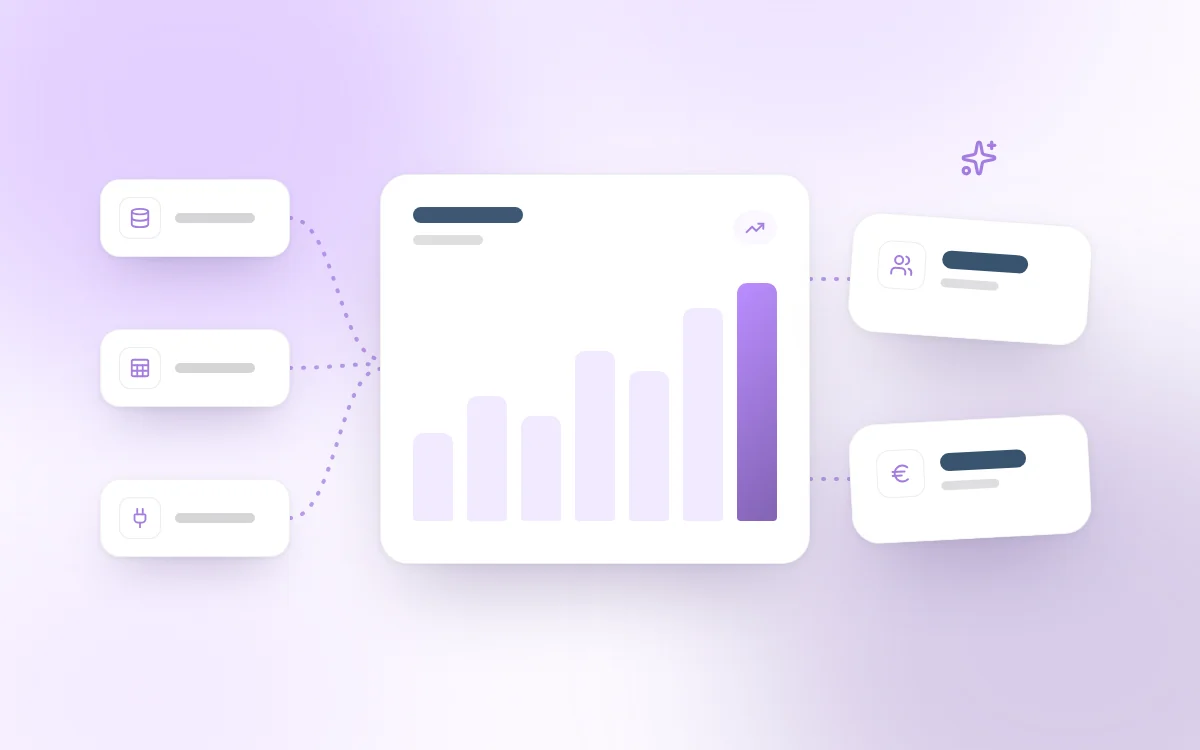 Tech · 6 min
Metabase for SMBs: centralize your data, build dashboards and track your KPIs in real time. A comparison with Power BI and Looker, and the tool's limits.
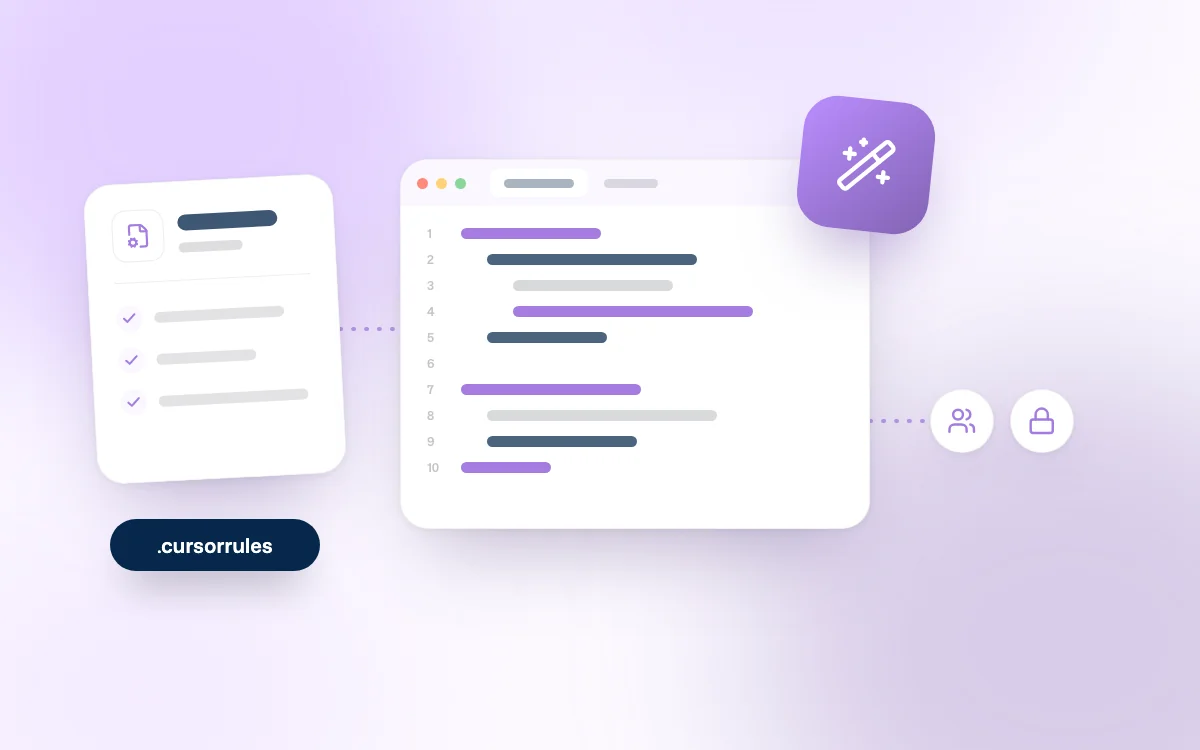 Tech · 6 min
Using Cursor as a team in 2026: how to set up .cursorrules, share context, keep your code secure and compare Cursor with Claude Code and Copilot.
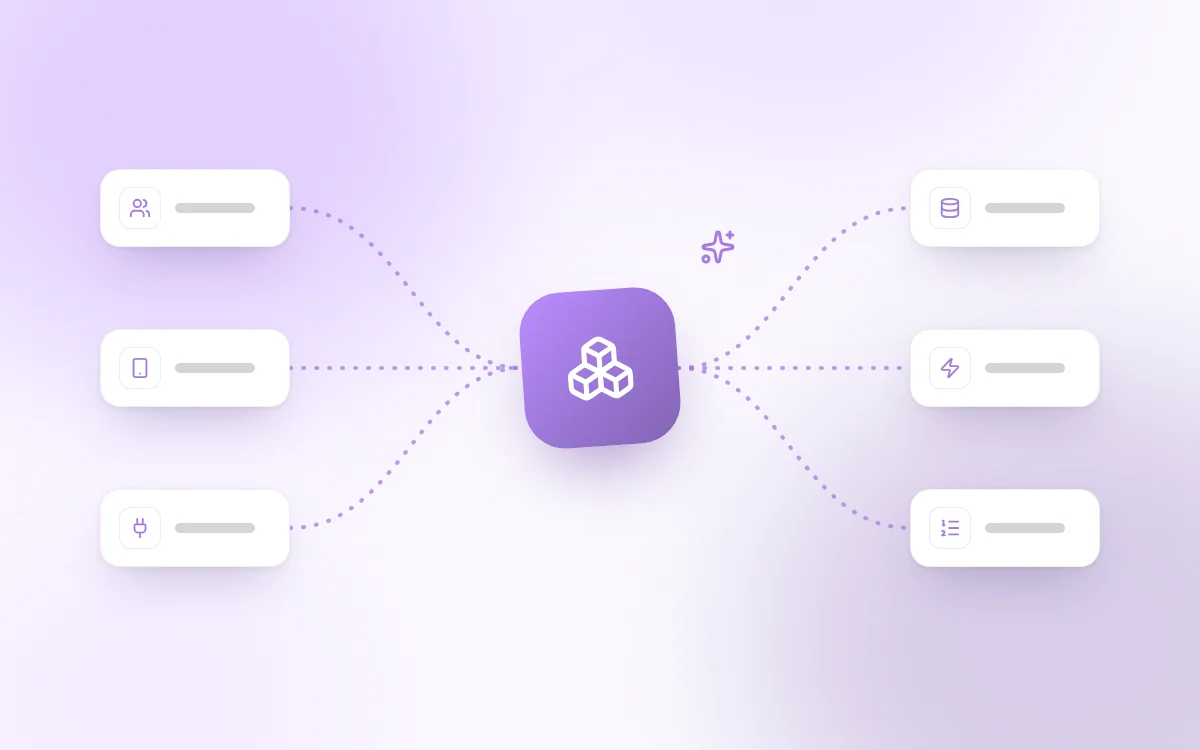 Tech · 7 min
Scalable software architecture for SaaS in 2026: modular monolith or microservices, horizontal scaling, caching, message queues and the mistakes to avoid.
Fragments Studio handles everything: from strategy to production.
Discuss my project