Duplicating a Google Drive folder: we coded the add-on with Claude
Google Drive can't duplicate a folder. The story of a Workspace add-on coded in 30 min with Claude without knowing Apps Script, and lessons for internal AI.
 Studio · 6 min
Outsourcing your product development is no longer just about delegating lines of code to a remote subcontractor. In 2026, the challenge has become one of buying innovation capacity and managing risk in an ecosystem where AI speeds up production but makes architecture more complex. Here is how to navigate the contract models and turn your vendor engagement into a real growth driver.
Development outsourcing means entrusting all or part of the design, build and maintenance of a piece of software to a specialized partner. In 2026, this choice is no longer driven solely by cost savings, but by a critical need for Time-to-Market and access to rare expertise (AI architects, MCP experts, cybersecurity).
The ideal time to outsource generally comes in three scenarios:
As we explained in our article on choosing between an in-house or external tech team, a hybrid setup is often the most resilient strategy for mature companies.
Choosing the wrong contract model is the cause of 42% of failed tech collaborations. Each model addresses a different need for oversight and a different level of uncertainty.
A fixed-price contract is a commitment to a fixed scope, price and deadline. It is the reassuring model par excellence, but it is rigid. It requires an ultra-precise specifications document. In 2026, given the agility the market demands, pure fixed-price contracts are often reserved for very well-defined technical building blocks.
Time and materials means billing for time spent (based on a daily rate). It is the most flexible model: you manage the vendor like your own employees. However, without strong internal oversight, the budget can skyrocket with no guarantee of immediate results.
A dedicated team is a group of experts (Devs, PO, QA) fully allocated to your project over a long period. It is the ideal compromise for scale-ups that want the power of an in-house team with the flexibility of a vendor.
A Product Studio (like Fragments Studio) does not just execute. It works on strategy, UX/UI design and tech. It sells business value rather than hours. This is the recommended model for complex projects where the scope will evolve based on user feedback.
| Criterion | Fixed Price | Time & Material | Dedicated Team | Product Studio |
|---|---|---|---|---|
| Flexibility | Low | Very High | High | High |
| Commitment | Results | Best effort | Best effort + | Value/Results |
| Oversight | Vendor | Client | Co-managed | Co-managed |
| Ideal for | Small, well-scoped project | Temporary reinforcement | Continuous growth | Product creation |
Comparing quotes without understanding what they include is a classic mistake. In 2026, French market rates for senior profiles range from €650 to €1,200 per day, excluding VAT.
To compare two offers honestly, do not look only at the daily rate, but at the Total Cost of Ownership (TCO). An offer at €500/day that generates massive technical debt will cost you three times as much two years from now.
Hidden costs to watch for:
A 2024 study shows that projects that are well scoped upfront reduce their corrective maintenance costs by 33.9%.
At Fragments Studio, we often see clients come to us after their project was poorly developed by a previous partner. To avoid this, identify the signals before you sign.
Outsourcing should not mean losing sovereignty. To stay in control of your destiny, enforce three governance pillars:
Quality support is not the kind that makes you dependent, but the kind that makes you autonomous.
Is it better to choose a freelancer or an agency?
A freelancer is ideal for a precise, isolated task. An agency or studio brings a multidisciplinary vision (design, product, tech) and a guarantee of continuity: if a developer leaves, the agency replaces them without interrupting the project.
How can I make sure the delivered code is of good quality?
Ask for regular code reviews and the setup of static analysis tools (SonarCloud, ESLint). You can also commission a third-party expert for a one-off audit.
What is the impact of AI on outsourcing costs in 2026?
AI makes it possible to code repetitive tasks faster, but it increases the need for senior supervision. Prices are flat, but the value delivered per hour worked has risen by 20 to 30% for well-equipped studios.
Can you change contract models along the way?
Yes, and it is often recommended. You can start with a fixed price for an MVP, then switch to a dedicated team once the product has been validated by the market.
Outsourcing in 2026 is an exercise in risk management. Success does not depend on the daily rate, but on the alignment between your need and the model you choose. A product studio will be your best ally for turning an idea into a lasting technology asset, while time and materials will remain the go-to tool for adjusting your firepower.
Successful outsourcing starts with a partner who understands your business stakes as well as your technical constraints.
Follow Fragments Studio on Google
Add us to your preferred sources and our articles get surfaced first in Top Stories, AI Overviews and AI Mode.
 Studio · 8 min
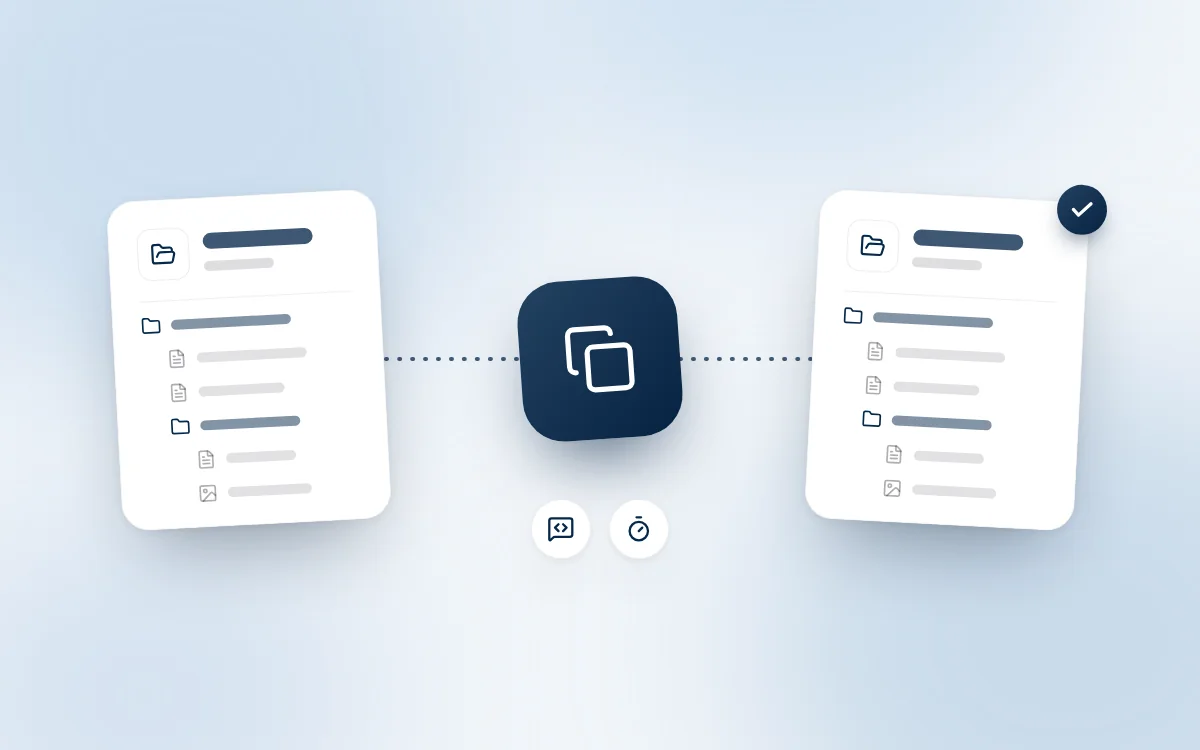
Google Drive can't duplicate a folder. The story of a Workspace add-on coded in 30 min with Claude without knowing Apps Script, and lessons for internal AI.
 Studio · 7 min
Cursor Cloud Agents, Claude, MCP and n8n workflows: how Fragments Studio uses AI every day, the estimated gains and what the team never delegates.
 Studio · 7 min
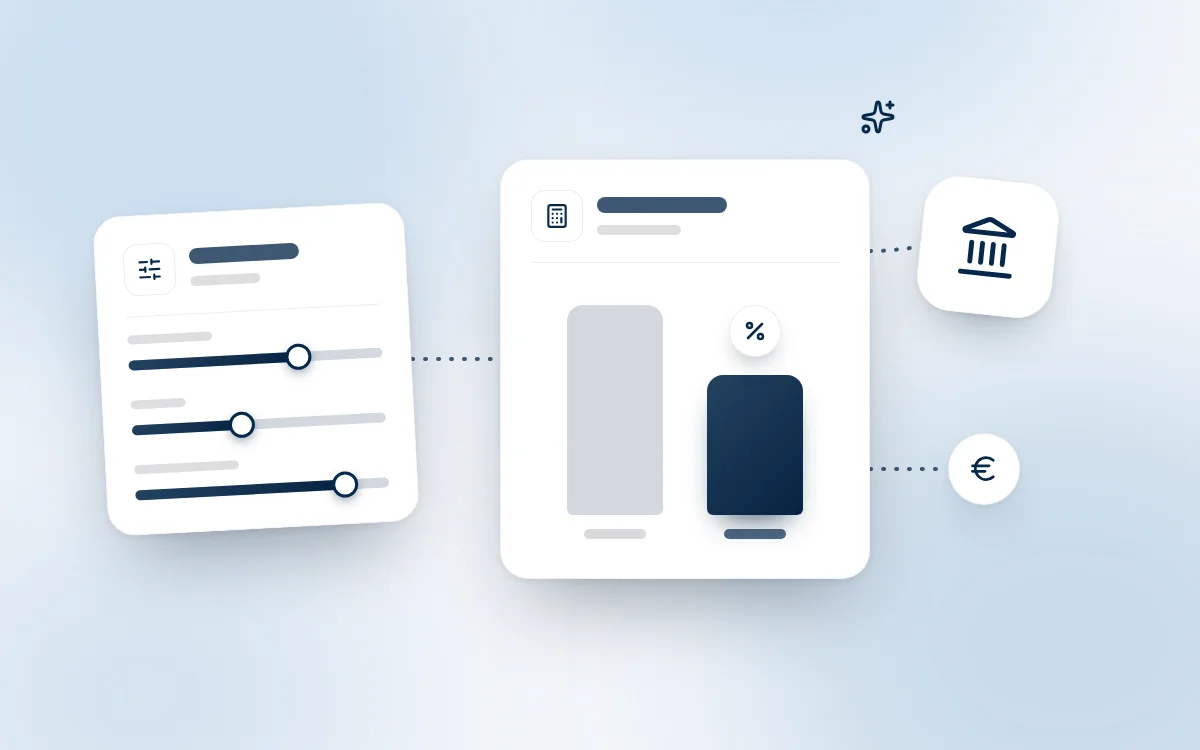
CII simulator: estimate the Innovation Tax Credit and the net cost of your digital project, and compare several scenarios with a CII/CIR-approved studio.
Fragments Studio handles everything: from strategy to production.
Discuss my project